
The Days When I Don’t Exist
2003
No user ratings available yet
Diversity score: 5.0 out of 10
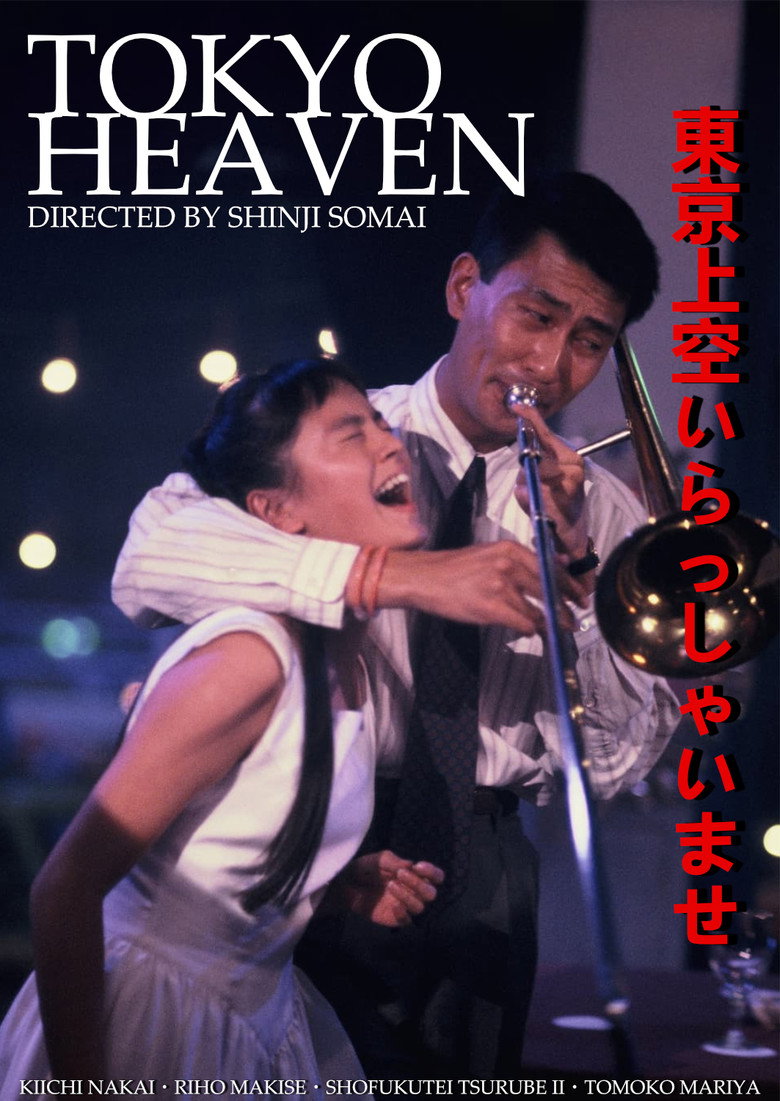
1990
Director
Shinji Sōmai
Runtime
109 minutes
Average Rating
No ratings yetSynopsis
A pampered young model is killed in a traffic accident. Given the chance to return to earth, she becomes involved with the advertising executive who is trying to cover up her death. A blend of fantasy and trenchant realism in which Somai uses the ethereal glow of advertising images to comment on the transience of life.
Overall Score
Fair
Category Breakdown
LGBTQ+ Representation
The film lacks explicit LGBTQ+ identities or non-cisnormative narratives. While it explores urban alienation among marginalized youths, it focuses on general existential searching rather than specific queer identities.
Gender Representation
A female protagonist serves as the primary catalyst, challenging male-dominated corporate structures. The film portrays volatile, non-traditional dynamics that favor individual impulse over established social roles.
Racial & Ethnic Diversity
Set in 1990s Tokyo, the film depicts a relatively homogeneous social landscape. It focuses on socioeconomic divisions within the Japanese urban experience rather than racial or ethnic plurality.
Religious & Cultural Diversity
The narrative critiques Westernized capitalist structures and the hollow promises of consumer culture. It frames youth rebellion as a legitimate response to an indifferent, decaying urban landscape.
Disability Representation
Themes of physical vulnerability arise from a fatal accident, but these serve as metaphysical metaphors. The film avoids inspiration porn but lacks a dedicated platform for disability-centric narratives.
Strengths
Areas for Improvement
AI Analysis
Tokyo Heaven is a sophisticated meditation on the friction between consumerist artifice and human mortality. It succeeds in deconstructing the hegemony of corporate institutions and the superficiality of modern urban life through its stylistic use of advertising imagery. However, the film lacks explicit identity-based diversity. It does not center LGBTQ+ narratives or provide a broad spectrum of racial and ethnic representation, remaining focused on a homogeneous Japanese urban context. Ultimately, the work's strength lies in its systemic critique. It prioritizes the exploration of youth alienation and the fragility of existence over specific social identity advocacy.
2003

2024
2004

2009

2009

1999

1988
1979

1947

2016

2015

1994
No reviews yet. Be the first to share your thoughts on this movie!
Use the rating form above to leave a star rating and optional review.