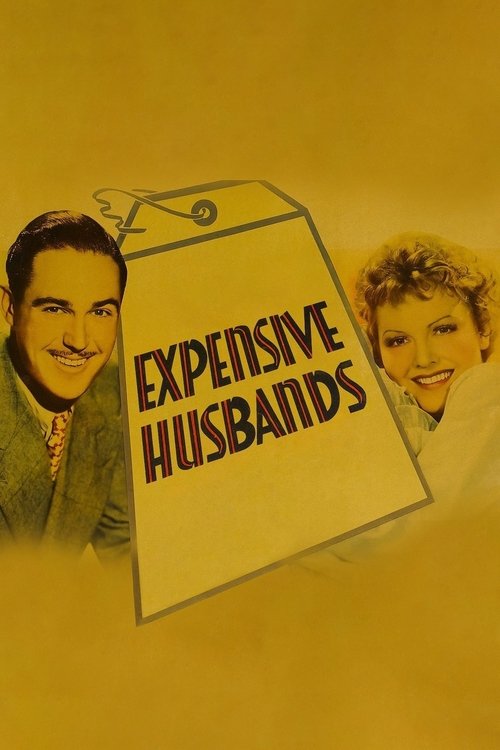
Expensive Husbands
1937
No user ratings available yet
Diversity score: 2.7 out of 10
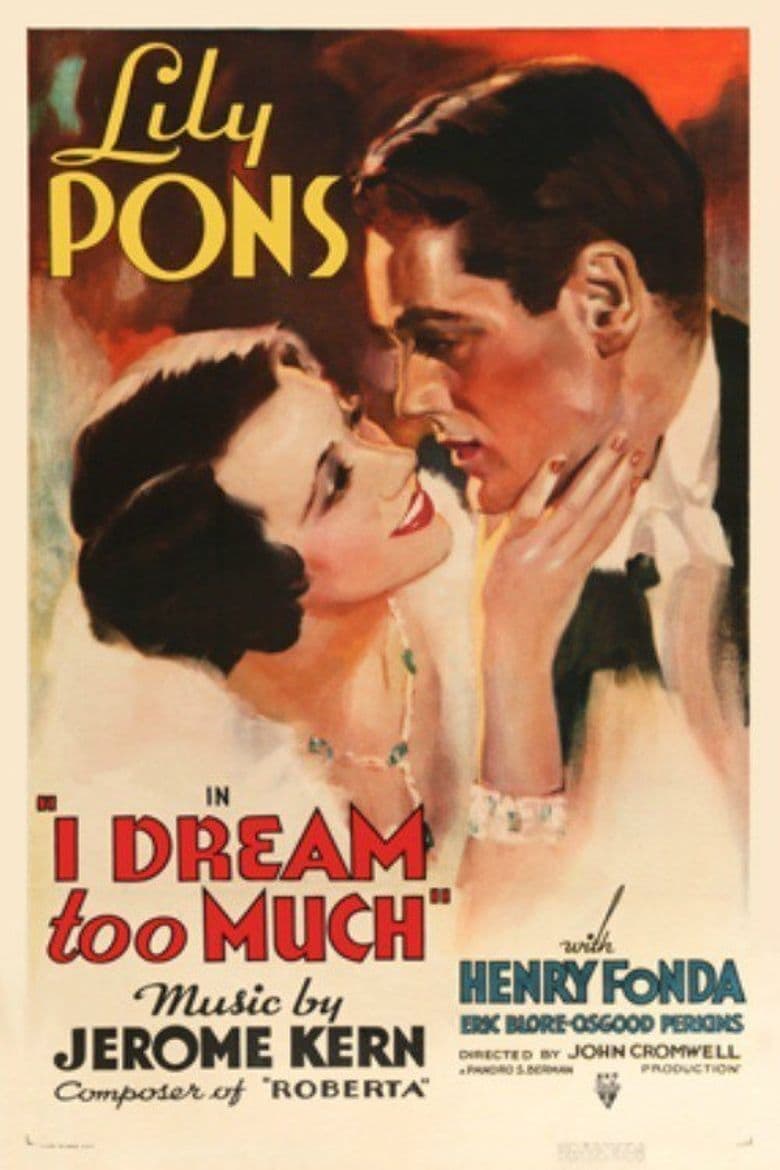
1935
Director
John Cromwell
Runtime
97 minutes
Average Rating
No ratings yetSynopsis
Opera student Annette Monard meets composer Jonathan Street, and in a buoyant, alcohol-fueled evening, the couple marries. Sincerely falling in love, Jonathan encourages the talented Annette to sing — yet when his own attempt at an opera fails, Jonathan lashes out at Annette's success. Despite her husband's jealousy, Annette embarks on a successful career that allows her to secretly fund Jonathan's opera, bringing their marriage to a crisis.
Overall Score
Limited
Category Breakdown
LGBTQ+ Representation
The film lacks LGBTQ+ characters or narratives. The romantic arc adheres strictly to traditional heterosexual courtship and marriage conventions.
Gender Representation
Annette's professional agency and intellectual superiority disrupt traditional hierarchies. Her success and financial support for her husband subvert the trope of the stable male leader.
Racial & Ethnic Diversity
The production features a predominantly white cast with no evidence of intersectional casting. The social dynamics remain homogeneous and reflect the era's lack of racial pluralism.
Religious & Cultural Diversity
The story emphasizes traditional Western values and the sanctity of marriage. It focuses on individual emotional fulfillment rather than systemic or ideological critique.
Disability Representation
No characters with visible or invisible disabilities are depicted. The narrative contains no elements addressing neurodivergence or physical impairments.
Strengths
Areas for Improvement
AI Analysis
I Dream Too Much is a period melodrama that finds its strength in subverting gendered power dynamics. By centering the plot on Annette’s professional ascent and her ability to provide for her husband, the film challenges the era's patriarchal expectations of male stability. However, these progressive character beats are isolated within a very narrow social framework. The film remains deeply rooted in the demographic homogeneity of 1930s cinema, offering almost no racial, cultural, or LGBTQ+ breadth. The narrative's focus on Western marital sanctity and a white-centric cast limits its broader social impact.
1937
1934
1928
1937

1942
1932
1936
1938

1933

1933
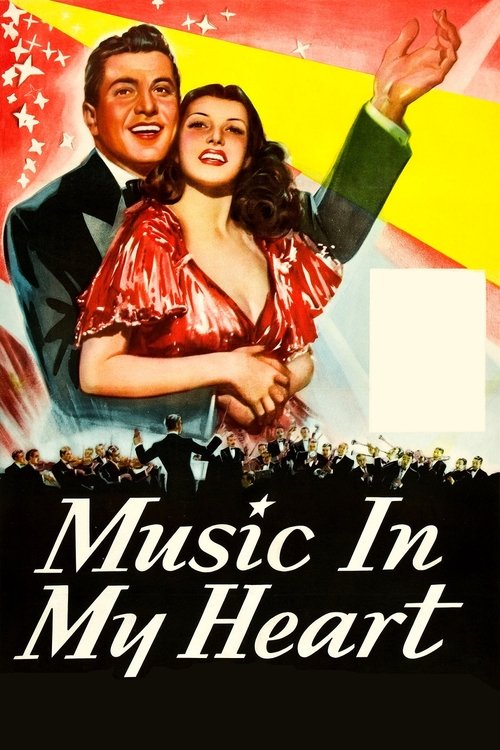
1940
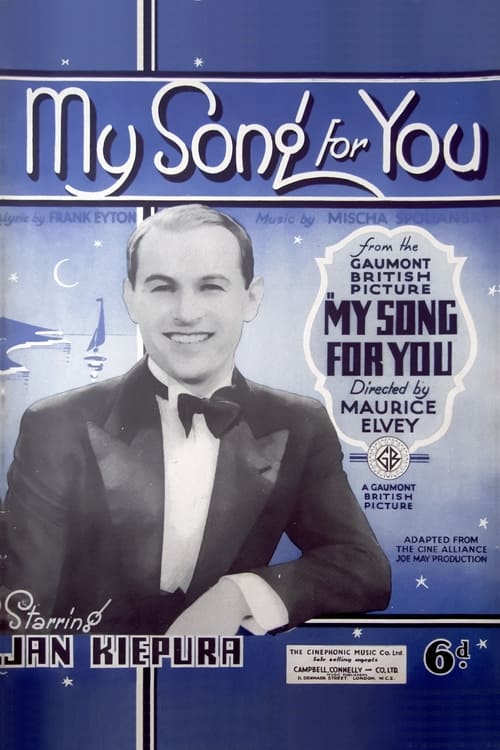
1934
No reviews yet. Be the first to share your thoughts on this movie!
Use the rating form above to leave a star rating and optional review.