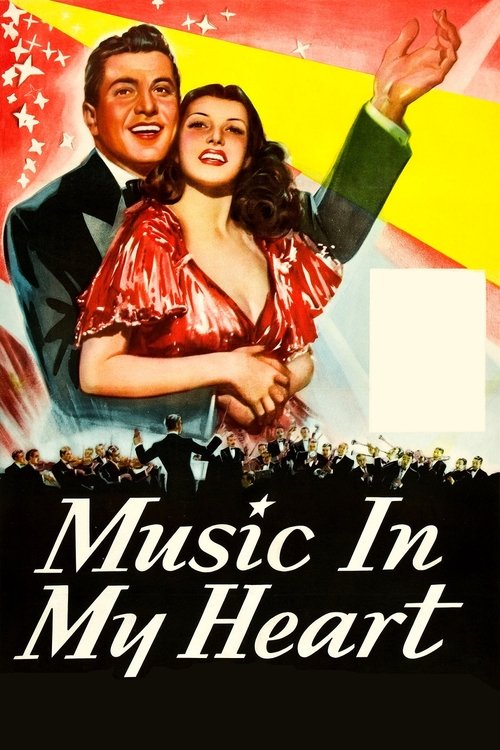
Music in My Heart
1940
No user ratings available yet
Representation score: 0.4 out of 10

Representation Score
Minimal
1933
NRDirector
Raoul Walsh
Runtime
78 minutes
Average Rating
No ratings yetNew Showbiz Analysis
Going Hollywood is a quintessential product of the early 1930s, functioning as a traditional industry narrative. It reinforces the social and demographic hierarchies of the era rather than disrupting them. The film prioritizes a Western-centric perspective and a standard romantic trajectory. It lacks intentionality regarding multi-layered representation, focusing instead on the pursuit of individual celebrity and stardom. Ultimately, the work reflects the era's social constraints, offering a homogeneous view of Hollywood that aligns with the capitalist ambitions of the time.
Category Breakdown
The film follows traditional romantic structures typical of the pre-Code era. There is no evidence of non-binary gender identities or narratives that challenge the assumption that everyone is straight or cisgender.
While female characters like Sylvia take charge of their own romantic pursuits, the narrative largely centers on the male protagonist's journey. The depiction of romance adheres to established period clichés.
The production features a largely homogeneous cast consistent with 1933 industry standards. There is no evidence of significant racial blending or non-white majority casting.
The film celebrates the burgeoning Hollywood industry and capitalist ideals of ambition. It lacks anti-Western sentiment, focusing instead on the allure of the studio system.
There are no visible or invisible disabilities portrayed with real power. Characters with disabilities are not used as plot devices within the narrative.
Present on Screen
Limited or Absent
Official Synopsis
Sylvia is a French teacher at an all-girls school who wants to find love. When she hears Bill Williams on the radio, she decides to go visit and thank him. However, difficult problems lie ahead when Lili gets in the way.
1940

1933

1937
1944

1932
1935

1934
1933
No reviews yet. Be the first to share your thoughts on this movie!
Use the rating form above to leave a star rating and optional review.