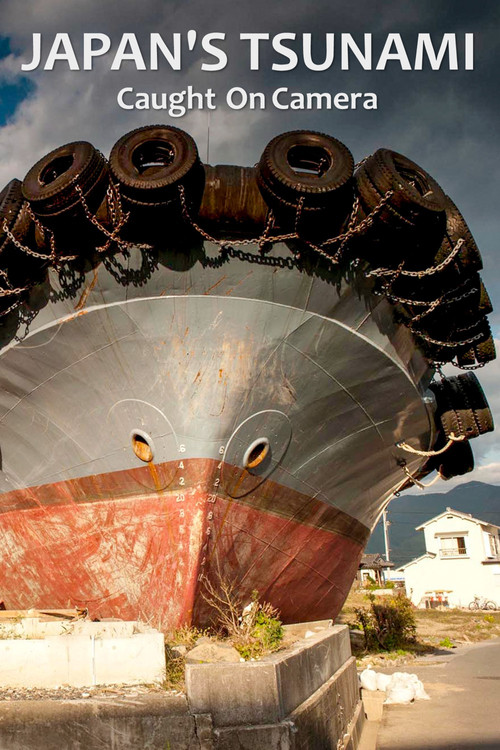
Japan's Tsunami: Caught on Camera
2011
No user ratings available yet
Representation score: 5.8 out of 10
Representation Score
Excellent
2011
Director
Lucy Walker
Runtime
39 minutes
Average Rating
No ratings yetNew Showbiz Analysis
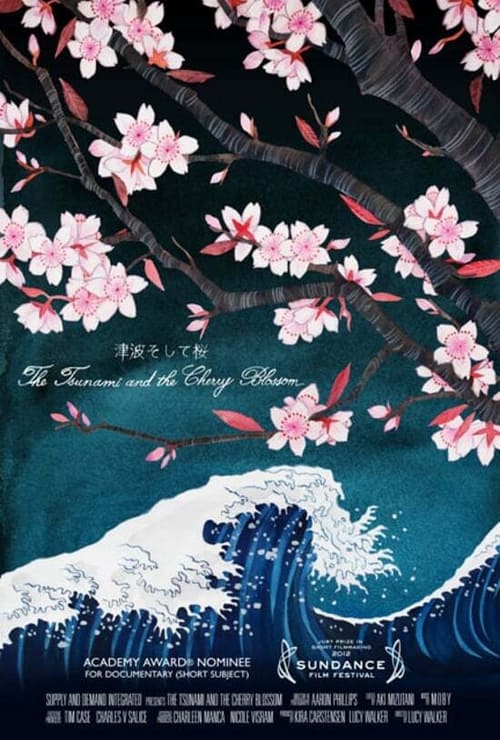
Lucy Walker’s documentary offers a compassionate view of the Tōhoku region after the 2011 tsunami and nuclear disaster. Its main strength lies in its authentic portrayal of Japanese voices, avoiding an outsider’s perspective. By emphasizing local ability to act, the film remains culturally and geographically specific. However, the film’s focus on a particular ethnographic moment means it doesn’t delve into identity politics or LGBTQ+ narratives. Gender and disability are addressed as part of the disaster’s reality rather than through scripted explorations of these identities. Ultimately, the film excels as observational cinema. It contrasts the transient beauty of cherry blossoms with the systemic failures of industrial oversight and the enduring resilience of a recovering community.
Category Breakdown
The documentary focuses on survival and communal grief after a natural disaster. There is no specific mention of LGBTQ+ identities or stories in this study.
Women are shown as active participants in rebuilding their communities, rather than passive observers. The film highlights their roles during crises and emotional support.
The film centers on the Japanese population of the Tōhoku region, presenting their voices and experiences authentically. It avoids a Western-centric viewpoint by focusing on local perspectives.
The narrative explores a spiritual bond with nature and criticizes industrial failures. It emphasizes localized, situational ethics over strict Western institutions.
Survivors deal with both visible physical injuries and hidden mental health issues from trauma. The film treats these vulnerabilities with respect, avoiding sensationalism.
Present on Screen
Limited or Absent
Official Synopsis
On 11 March 2011, an earthquake caused a tsunami to hit the Tōhoku (Northeast) region of Japan. In this film, survivors of the tsunami rebuild as cherry blossom season begins. The film is a stunning visual haiku about the ephemeral nature of life–and of the healing power of Japan's most beloved flower.
2011
2013
2012

2021
2015
1992
2012

2010
No reviews yet. Be the first to share your thoughts on this movie!
Use the rating form above to leave a star rating and optional review.