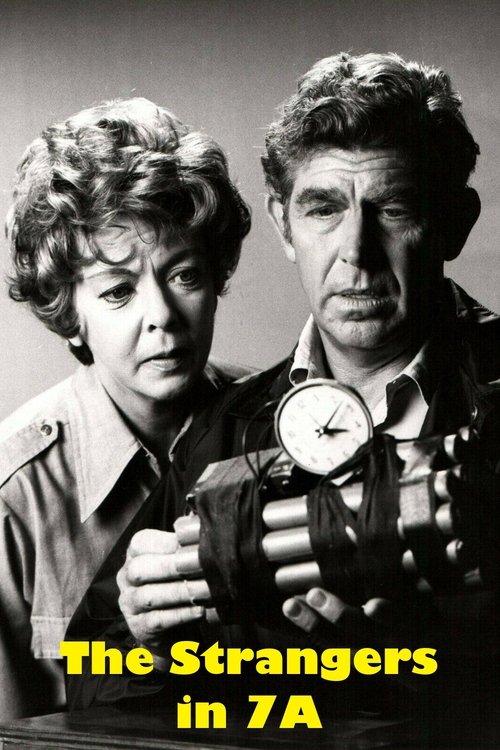
The Strangers in 7A
1972
No user ratings available yet
Representation score: 0.6 out of 10

Representation Score
Limited
1973
Director
Sutton Roley
Runtime
73 minutes
Average Rating
No ratings yetNew Showbiz Analysis
Snatched is a conventional 1970s crime thriller that focuses on genre suspense rather than social representation. The narrative relies on established clichés, such as women being used as leverage for ransom and a predominantly white cast typical of the era's television movies. While the film introduces character complexity through a mid-story twist involving a victim's complicity, this role is driven by greed rather than a challenge to social hierarchies. The depiction of disability is functional rather than character-driven, using a medical condition to heighten the thriller elements. Overall, the film reinforces traditional power dynamics and Western notions of property and marriage, lacking deeper exploration of diverse identities.
Category Breakdown
The film does not include any LGBTQ+ characters or themes. Conflicts between characters revolve around traditional heterosexual relationships and infidelity.
Women in the film are primarily portrayed as objects of value or leverage within a patriarchal system. Their identities are closely tied to their marital status and their husbands' wealth.
The film features a predominantly white cast, with no representation of non-Anglo-Saxon perspectives in the main narrative.
The story unfolds within a capitalist framework focused on wealth and property. It explores moral relativism through a plot involving deception and situational ethics.
Kim’s diabetes is used as a plot device to increase tension. Her need for insulin is used to escalate the stakes during a kidnapping.
Present on Screen
Limited or Absent
Official Synopsis
The wives of three wealthy men are kidnapped and held for a $3 million ransom, but one of the men doesn't want to pay his share.
1972
1986
1997

1995
1967
1963
1956
1974
No reviews yet. Be the first to share your thoughts on this movie!
Use the rating form above to leave a star rating and optional review.