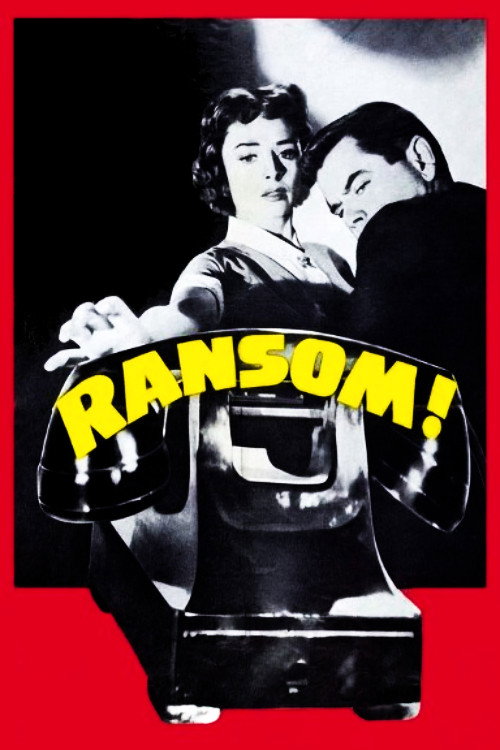
Ransom!
1956
No user ratings available yet
Representation score: 1.3 out of 10
Representation Score
Limited
1963
NRDirector
Akira Kurosawa
Runtime
142 minutes
Average Rating
No ratings yetNew Showbiz Analysis
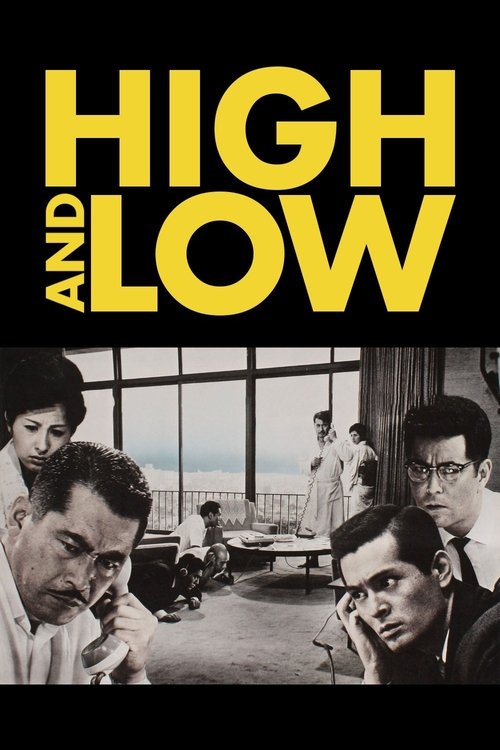
High and Low is a powerful social commentary film that critiques class and systemic inequality through the thriller genre. It exposes the tension between the elite and the underrepresented, presenting a nuanced view of justice within social hierarchies. While the film adheres to the gender and racial norms of 1960s Japan, it challenges expectations by portraying criminal behavior as a result of systemic failure rather than individual malice. Its strength lies in its ability to question justice through the lens of social divisions. However, the film remains confined by the social structures of its time, featuring secondary roles for women and a lack of diverse ethnic representation.
Category Breakdown
The film does not include any LGBTQ+ characters or explore non-straight relationships. The story centers on traditional family dynamics and socio-economic issues of the time.
Female characters are portrayed in traditional domestic roles and serve as emotional supports. However, they do not play a central role in driving the main plot.
Set in post-war Yokohama, the film shows a predominantly homogenous Japanese society. It focuses on social stratification within the community without highlighting ethnic or racial diversity.
The film provides a sophisticated critique of capitalist structures and socio-economic disparities. It contrasts extreme wealth with urban poverty to highlight systemic inequalities.
There are no prominent depictions of physical or neurodivergent disabilities used as central character traits or plot devices.
Present on Screen
Limited or Absent
Official Synopsis
A Yokohama shoe executive faces a wrenching choice when kidnappers mistakenly seize his chauffeur’s son but demand the ransom anyway.
1956
1974

1975

1974
1961

1949

1974
1986
No reviews yet. Be the first to share your thoughts on this movie!
Use the rating form above to leave a star rating and optional review.