Death of a Corrupt Man
1977
No user ratings available yet
Representation score: 1.7 out of 10
Representation Score
Limited
1986
RDirector
John Frankenheimer
Runtime
110 minutes
Average Rating
No ratings yetNew Showbiz Analysis
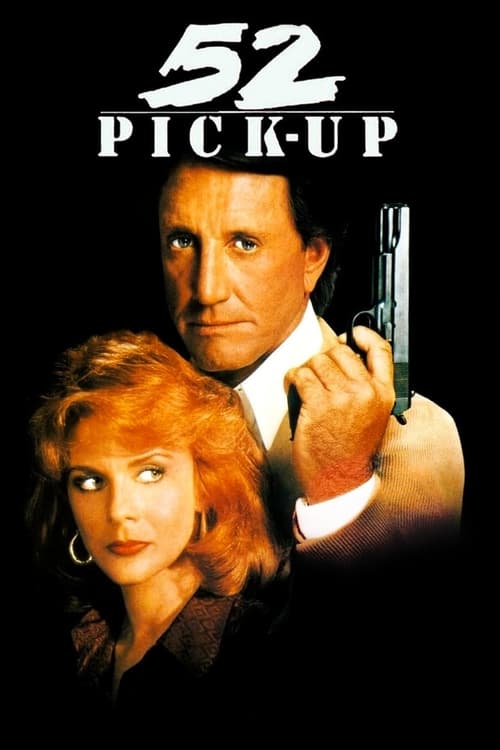
52 Pick-Up is a classic neo-noir that prioritizes themes of paranoia and betrayal over social representation. It disrupts the myth of a stable, moral professional class by depicting systemic corruption and moral ambiguity. However, this disruption occurs within a very traditional demographic framework. The film lacks depth in exploring multiple aspects of identity, focusing instead on the psychological toll of professional betrayal. Ultimately, the film's progressive value is limited to its postmodern skepticism of authority. It remains a product of its era, adhering to standard social mores and traditional gendered power dynamics.
Category Breakdown
The film operates within a strictly straight-centered framework. The central plot revolves around an extramarital affair, offering no exploration of non-cisgender identities.
The narrative focuses heavily on male characters. Women play key roles but mainly serve as catalysts for the protagonist's crisis or as objects of conflict.
The cast is predominantly white, reflecting a homogeneous social circle. The story lacks diverse ethnic perspectives, focusing instead on an insulated, high-stakes professional tier.
The film offers a cynical deconstruction of Western institutional stability. It portrays corporate structures as predatory, though it frames corruption as individual paranoia rather than systemic critique.
There is no meaningful portrayal of physical or invisible disabilities. The tension is purely psychological and does not utilize disability as a lens for character development.
Present on Screen
Limited or Absent
Official Synopsis
Harry Mitchell is a successful Los Angeles manufacturer whose wife is running for city council. His life is turned upside down when three blackmailers confront him with a videotape of him with his young mistress and demand $100,000. Fearing that the story will hurt his wife's political campaign if he goes to the police, Harry pretends that he will pay the men, but does not follow through.
1977
1954
1988
1991
1975
1972
1963
1964
No reviews yet. Be the first to share your thoughts on this movie!
Use the rating form above to leave a star rating and optional review.