The Strangers in 7A
1972
No user ratings available yet
Representation score: 0.6 out of 10
Representation Score
Minimal
1997
PG-13Director
Jerry Ciccoritti
Runtime
91 minutes
Average Rating
No ratings yetNew Showbiz Analysis
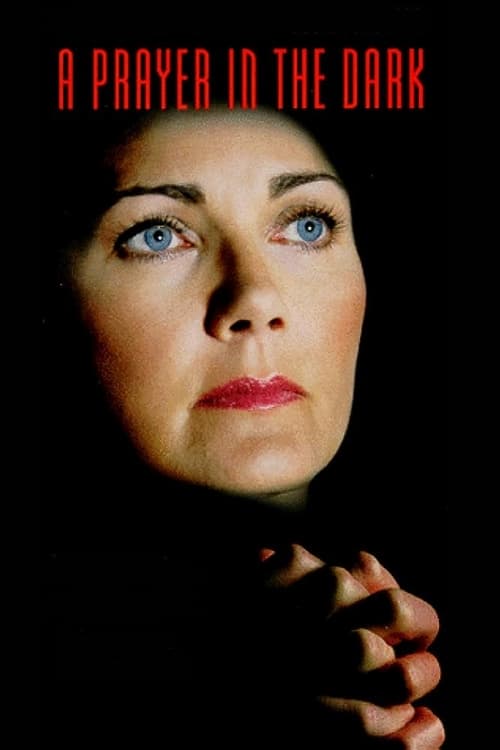
A Prayer in the Dark functions as a typical late-90s crime thriller, relying heavily on genre clichés rather than challenging social norms. The narrative is set in a specific, homogeneous environment that limits its demographic representation. While Emily, the central female lead, holds significant responsibility, her influence is confined within established social and domestic hierarchies. The story focuses on safeguarding a traditional family unit rather than questioning broader societal structures. The film's emphasis on a religious community reinforces a narrow perspective on social structures. It adheres closely to a standard hostage drama framework, offering limited opportunities for diverse viewpoints.
Category Breakdown
The film does not include any visible LGBTQ+ characters or non-cisgender identities. The story centers around traditional family and community structures.
Emily is portrayed as a strong female protagonist who manages both a bank and a family crisis. However, her role remains tied to traditional domestic responsibilities and protecting the family unit.
The setting in a Quaker territory implies a predominantly white, Anglo-Saxon population. There are no characters of color who play a significant role in driving the story or representation.
The narrative explores the tension between individual survival and Quaker community values. It emphasizes traditional Western ideals of family cohesion and communal stability.
There are no characters with visible or invisible disabilities. No neurodivergent or chronically ill individuals are part of the plot.
Present on Screen
Limited or Absent
Official Synopsis
The Hayworth family lives in a Quaker territory in up-state New York. The matriarch, Emily runs the local bank. Years before, she and her family took in troubled, young Jimmy Flood to protect him from his abusive father. Though one of Emily's grown daughters, Janet feels she did not belong in the quiet, devoutly religious community and left the Quakers, Emily believed that her family ties stayed strong. Real trouble comes to the family when Jimmy Flood returns to the house after busting out of prison with the help of Digby and Lester, and he takes Emily's family hostage in exchange for $4 million. If Emily fails to secure the money in time, her entire family will lose their lives. Determined to resolve the potentially deadly conflict in a peaceful manner, Emily calls an emergency meeting of the town friends to work out a solution and save her family.
1972

1955

1973

1974

1998

2009
1991
2014
No reviews yet. Be the first to share your thoughts on this movie!
Use the rating form above to leave a star rating and optional review.