Unseen Wonder
1984
No user ratings available yet
Representation score: 5.4 out of 10
Representation Score
Fair
1982
Director
Witold Leszczyński
Runtime
92 minutes
Average Rating
No ratings yetNew Showbiz Analysis
The Linnet is a character study of an individual clashing with a rigid communal structure. It finds its strength in challenging traditional social cohesion and exploring the friction between personal desire and inherited custom. While the film lacks modern demographic diversity, it offers a sophisticated critique of how family and religion can act as punitive forces. The narrative prioritizes the struggle of the individual against the weight of the past. However, the film remains rooted in a narrow focus on straight relationships and a specific cultural enclave, focusing on a particular ethnic group rather than a diverse cast.
Category Breakdown
The film does not include explicit LGBTQ+ identities or non-straight relationships. The story centers on erotic tension between Kaziuk and the schoolteacher within a traditional framework.
The schoolteacher plays a powerful role in causing social upheaval rather than being a passive figure. The story explores tensions between domestic life and women's ability to drive the story.
The setting reflects the historical homogeneity of a rural, backwood village. It focuses on the internal dynamics of a specific, localized ethnic group.
The film critiques restrictive communal traditions and religious sanctity. Kaziuk’s actions serve as metaphors for rejecting inherited customs and oppressive social structures.
There are no visible or invisible disabilities portrayed that affect the narrative arc or character's ability to drive the story.
Present on Screen
Limited or Absent
Official Synopsis
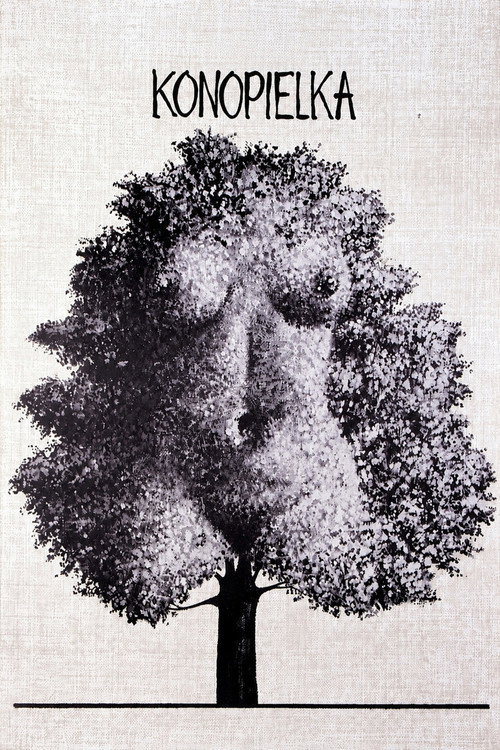
Kaziuk, a stubborn peasant and his pregnant wife live in a backwood village, unaffected by the civilization. The village is once visited by a couple of wanderers, and strange things start to happen afterward. A new schoolteacher is sent to the area. She stirs erotic fantasies in Kaziuk. In a stir of frustration Kaziuk cuts down a family tree - a sacrilegious act in the eyes of his family. Going a step further and using a scythe for cutting the rye instead of a sickle brings the whole village against him.
1984

1966

1994

2011
1995
1969
1969
1969
No reviews yet. Be the first to share your thoughts on this movie!
Use the rating form above to leave a star rating and optional review.