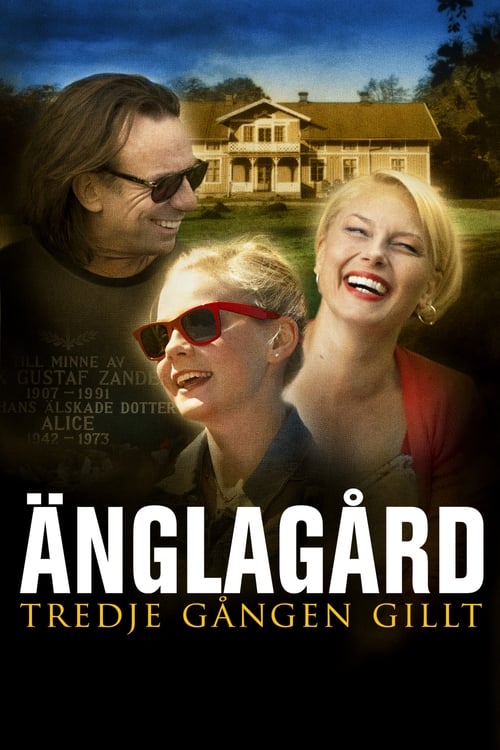
House of Angels - Third Time Lucky
2010
No user ratings available yet
Representation score: 6.5 out of 10
Representation Score
Fair
1992
RDirector
Colin Nutley
Runtime
127 minutes
Average Rating
No ratings yetNew Showbiz Analysis
House of Angels succeeds as a study of communal disruption, using outsiders to challenge a traditional Swedish village's equilibrium. The film effectively uses aesthetic signifiers to signal a departure from provincial norms, particularly through non-conformist characters. While the film lacks racial diversity, it finds strength in exploring the friction between individual desire and established institutional norms. It uses character's ability to drive the story to disrupt social structures rather than relying on systemic changes. The narrative's depth comes from its willingness to deconstruct the 'ideal' religious figure and embrace moral relativism, providing a sophisticated look at subjective morality.
Category Breakdown
Zack's androgynous style and subcultural aesthetic challenge the village's traditional social divisions. His relationship with Fanny offers a meaningful departure from typical domestic portrayals of the time.
Fanny serves as an independent female figure who drives the central conflict through her own actions. The film moves toward emotional complexity rather than adhering to rigid, traditional gender roles.
The cast reflects a homogeneous Swedish village, operating within a predominantly white framework. There is no evidence of multi-ethnic integration within this specific geographic and temporal context.
The narrative explores the tension between religious duty and personal authenticity through a priest in crisis. It frames traditional institutions as sites of internal conflict rather than absolute authorities.
There are no prominent depictions of physical or neurodivergent disabilities that serve as central narrative drivers in this story.
Present on Screen
Limited or Absent
Official Synopsis
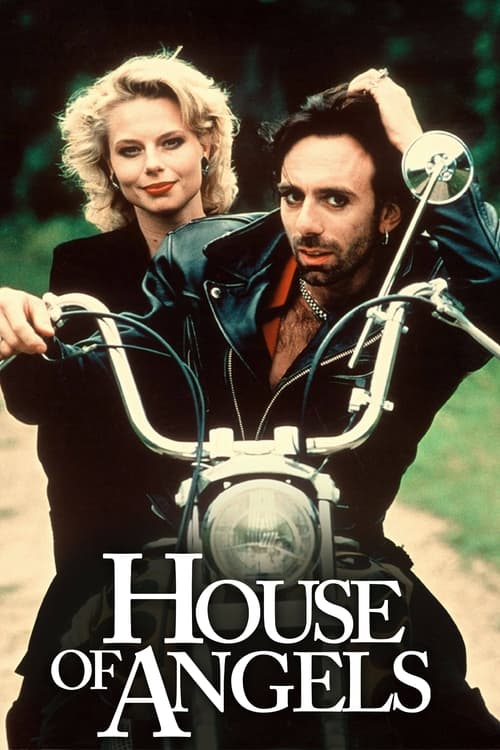
In a small village in Västergötland, everything is turned upside-down when the local loner dies and his cottage is inherited by his unknown relative Fanny. She rides into town on a big black motorcycle with her androgynous boyfriend Zack, wearing black leather and spikes. When they decide to stay, Flogfält's plans to buy the cottage are upset.
2010
2002
2009
2002

2004

1988

1970
1999
No reviews yet. Be the first to share your thoughts on this movie!
Use the rating form above to leave a star rating and optional review.