
Hugues
2017
No user ratings available yet
Representation score: 5.0 out of 10
Representation Score
Limited
2004
Director
Franck Landron
Runtime
92 minutes
Average Rating
No ratings yetNew Showbiz Analysis
The film operates within a traditional European comedy-drama framework, focusing on the domestic lives of a Parisian couple. While the nudist colony setting introduces themes of bodily autonomy and social non-conformity, the core narrative remains rooted in conventional social norms. The lack of complexity in representing multiple aspects of identity is evident in the focus on a standard heterosexual marital dynamic and a seemingly homogeneous social environment. The story prioritizes character-driven social discomfort over systemic critique or the representation of underrepresented identities. Ultimately, the work functions as a straightforward domestic comedy that adheres to established social and gendered structures rather than deconstructing them.
Category Breakdown
The story centers on a traditional heterosexual marriage between Sophie and Olivier. There is no evidence of LGBTQ identities or narratives that challenge the assumption that everyone is straight or cisgender.
The plot focuses on conventional marital friction and domestic struggles. The narrative does not appear to challenge gender hierarchies or provide significant roles for women in driving the story.
Set in a Parisian bakery and a French holiday home, the film seems to focus on a homogeneous social group. It lacks evidence of a multi-ethnic cast.
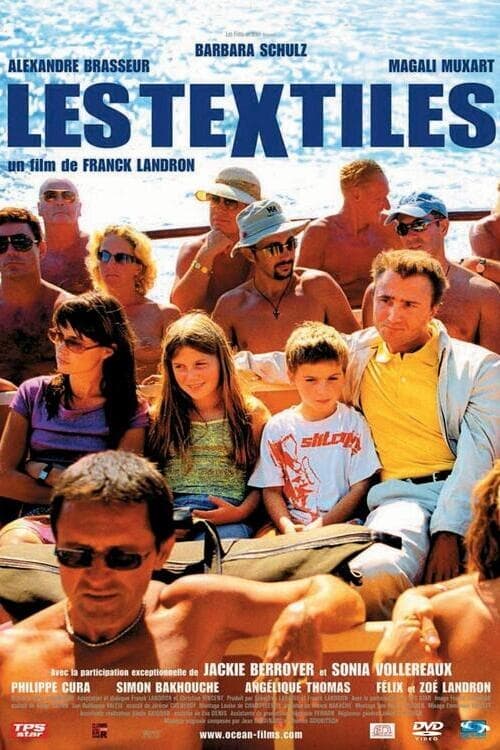
The film explores social discomfort through a nudist colony setting. However, it remains anchored in traditional Western structures of property and domesticity.
There is no mention of characters with visible or invisible disabilities. Disability does not appear to serve as a narrative device in this story.
Present on Screen
Limited or Absent
Official Synopsis
Sophie and Olivier are a couple leading a straightforward life. They’re bakers in Paris and their lives are regulated by the constraints of their job. Sophie gets the feeling that her husband is no longer really interested in her. They then read a personal ad pinned to their bakery’s notice board and get in touch with Paul and Colette, a rather strange couple who want to sell their holiday home. They buy the house – without even taking a look at it first – little knowing that it’s located in a nudist colony.
2017

2007

2002
2005

2009

2011

2010

2012
No reviews yet. Be the first to share your thoughts on this movie!
Use the rating form above to leave a star rating and optional review.