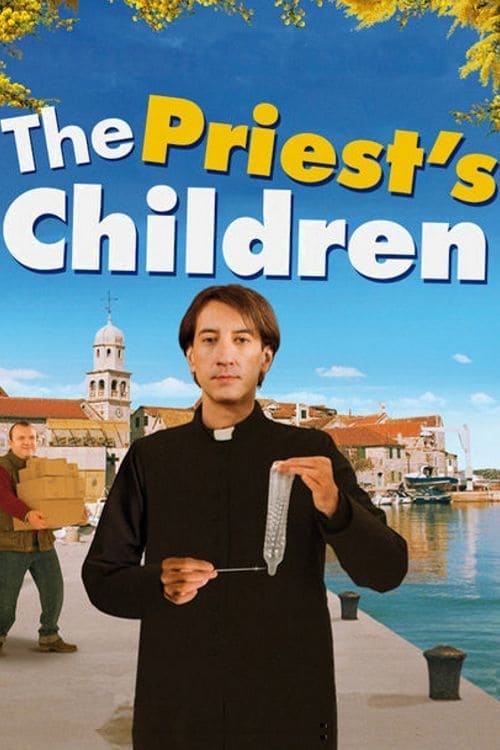
The Priest's Children
2013
No user ratings available yet
Diversity score: 4.2 out of 10

1969
Director
Evald Schorm
Runtime
98 minutes
Average Rating
No ratings yetSynopsis
A verger, who likes to dress as a priest, is invited, by one of the villagers, to be the pastor at a vacant church. The atheist teacher resents the pastor, and tries to embarrass him in various ways, including being caught with the local girl, Majka.
Overall Score
Fair
Category Breakdown
LGBTQ+ Representation
The film lacks explicit LGBTQ+ characters or non-heteronormative identities. The plot focuses on the protagonist's existential crisis and his conflict with the village teacher.
Gender Representation
The narrative centers on male-driven existential conflict. While women like Majka appear, they primarily serve as catalysts for the protagonist's social friction within traditional dynamics.
Racial & Ethnic Diversity
Set in provincial Czechoslovakia, the film reflects the demographic homogeneity of the late 1960s. It operates within a localized, culturally specific framework without diverse casting.
Religious & Cultural Diversity
The film offers a sophisticated critique of the Church and religious authority. It explores the decay of traditional moral frameworks and the hypocrisy of systemic institutions.
Disability Representation
There is no significant focus on visible or invisible disabilities. Character struggles are framed through spiritual and existential alienation rather than physical or neurodivergent agency.
Strengths
Areas for Improvement
AI Analysis
The film is a thematic powerhouse that prioritizes intellectual and institutional critique over demographic variety. It excels at deconstructing religious authority and the erosion of absolute truths, providing a progressive look at social decay. However, the narrative remains narrow in its casting. It lacks representation for LGBTQ+ individuals, racial diversity, and people with disabilities, reflecting the specific social reality of 1960s Czechoslovakia. Ultimately, the work trades intersectional visibility for deep philosophical inquiry. It is a culturally rich piece of cinema that challenges systemic structures while remaining demographically homogeneous.
2013

2015

1994
1996
1990
2019
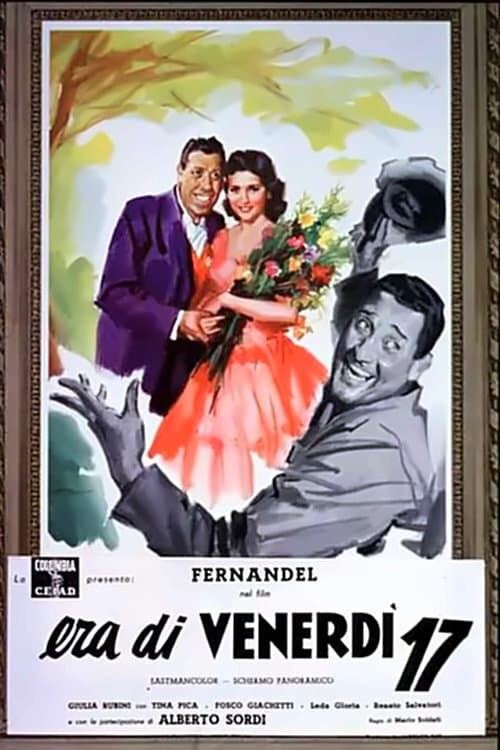
1956
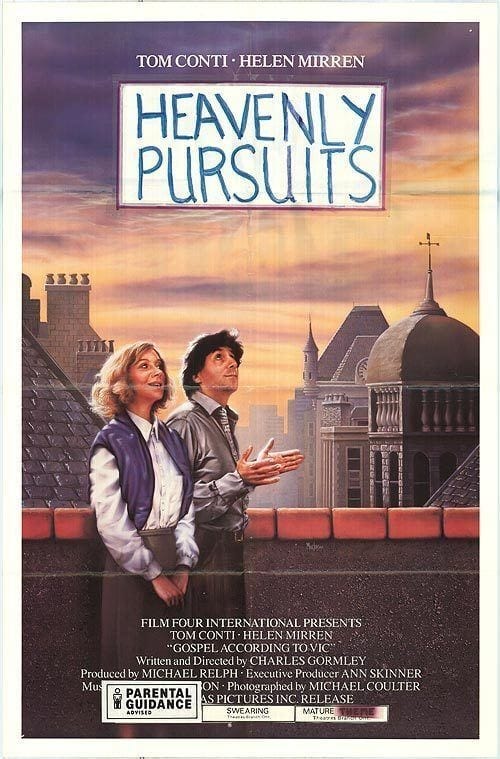
1986
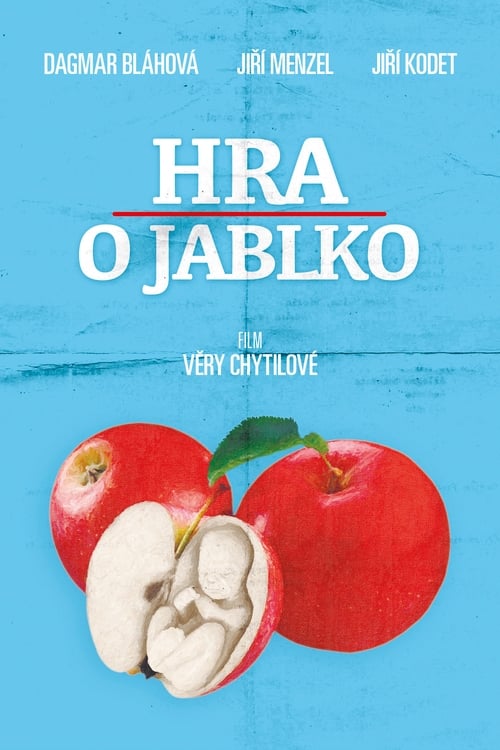
1978
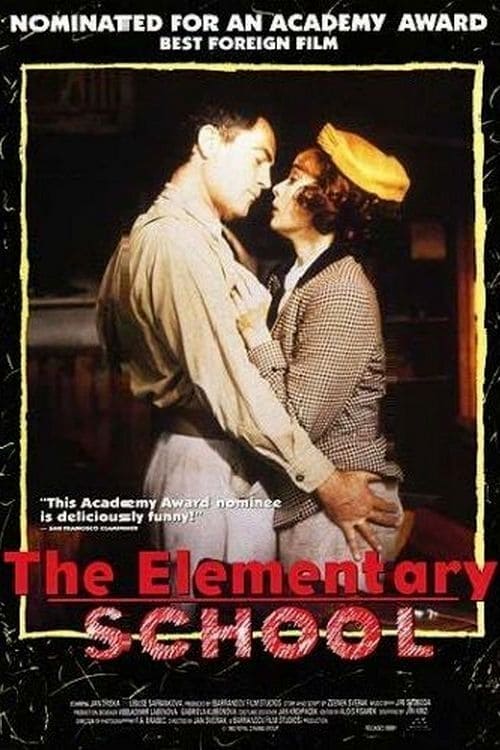
1991

1963
1982
No reviews yet. Be the first to share your thoughts on this movie!
Use the rating form above to leave a star rating and optional review.