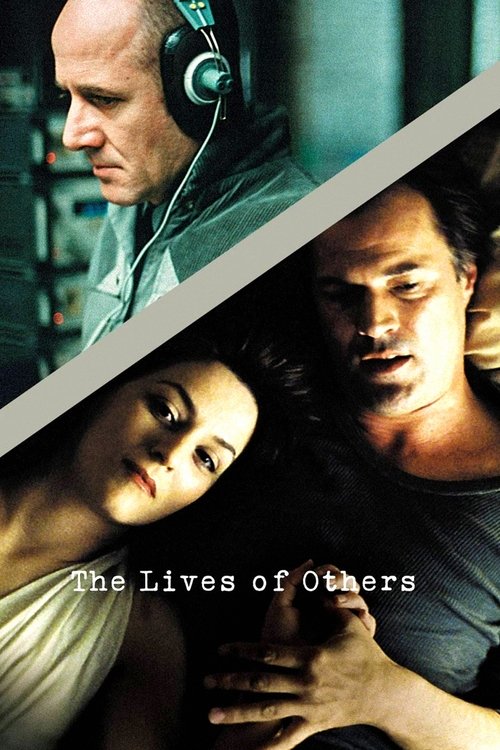
The Lives of Others
2006
No user ratings available yet
Representation score: 5.7 out of 10
Representation Score
Fair
2010
Director
Radim Špaček
Runtime
140 minutes
Average Rating
No ratings yetNew Showbiz Analysis
Walking Too Fast is a period drama that prioritizes historical realism and the deconstruction of state power over modern demographic representation. It functions as a localized character study, reflecting the specific demographic realities of Cold War-era Czechoslovakia. While the film scores low in traditional metrics like race, gender, and LGBTQ+ visibility, it offers significant progressive value through its cultural critique. The narrative structure challenges the sanctity of traditional institutions, portraying the state as an inherently destructive force. Ultimately, the film's strength lies in its sophisticated interrogation of how totalitarian systems corrupt the individual psyche, even if it lacks multi-layered breadth.
Category Breakdown
The film operates within the rigid social structures of Cold War Czechoslovakia, where there is no visible presence of non-straight relationships or narratives that question traditional sexual orientations.
The narrative is dominated by masculine hierarchies and patriarchal village structures. While a woman drives the plot through the protagonist's obsession, the film largely reinforces conventional gender roles of the era.
Set in rural Czechoslovakia, the cast and setting are ethnically homogeneous. The film prioritizes historical authenticity and localized character study over multiculturalism or diverse demographics.
The film excels by critiquing institutional power and the totalitarian state. It portrays the secret police as a destructive force, framing centralized authority as a source of chaos rather than order.
The story explores psychological unraveling and mental instability as part of a thriller arc. These elements focus on the protagonist's obsession rather than providing real power to neurodivergent characters.
Present on Screen
Limited or Absent
Official Synopsis
The psyche of a ruthless secret agent in Cold War Czechoslovakia begins to unravel when he obsesses over the girlfriend of a suspected subversive he is tracking. This taut political thriller is a bleak and potent rendering of the emotional destruction wreaked by totalitarianism.
2006
1970
2021

2020
1990
1990

2019
1969
No reviews yet. Be the first to share your thoughts on this movie!
Use the rating form above to leave a star rating and optional review.