The Lives of Others
2006
No user ratings available yet
Representation score: 5.7 out of 10
Representation Score
Good
2021
Director
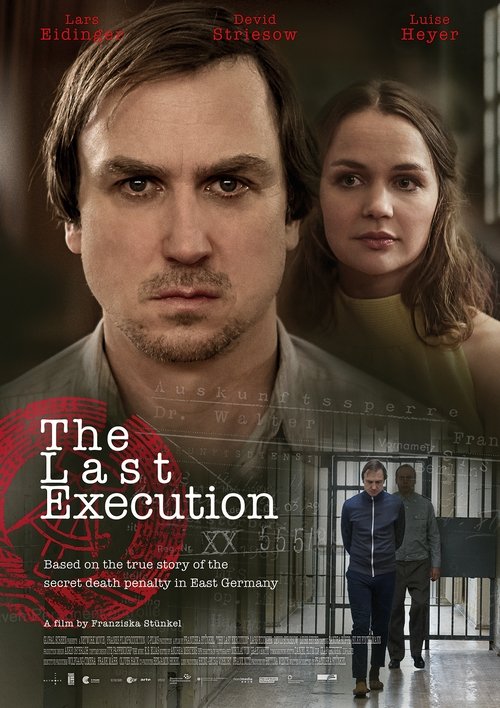
Franziska Stünkel
Runtime
116 minutes
Average Rating
No ratings yetNew Showbiz Analysis
The film stands out by placing a woman at the center of a high-stakes political thriller, challenging traditional gender roles. It provides a deep, nuanced critique of institutional power and the psychological damage caused by totalitarian systems. However, the work is limited by its adherence to the historical demographics of the GDR. This results in a lack of racial and LGBTQ+ diversity, making the narrative feel narrow and Eurocentric. Overall, the film is a specialized period piece focused on historical accuracy and systemic critique, rather than diverse representation.
Category Breakdown
The film does not include any prominent LGBTQ+ characters or stories. It focuses on the professional and personal struggles within the state, without exploring queer identities.
A female protagonist is central to the story, providing a unique perspective on the moral decay of the regime. This subverts typical male-centric political thriller clichés by highlighting the intellectual and emotional labor of the main character.
The cast is primarily made up of actors from similar backgrounds, reflecting the demographics of the 1980s GDR. The narrative stays within a localized, Eurocentric historical context without broadening its representation.
The film offers a detailed critique of state-run institutions and centralized authority. It portrays the GDR's governing bodies as inherently corrupt, oppressive, and sources of systemic violence.
There are no characters with visible or invisible disabilities that significantly impact the plot. While the psychological toll of the regime is central, it is treated as a universal experience rather than a specific identity.
Present on Screen
Limited or Absent
Official Synopsis
The ambitious scientist Franz Walter doesn't hesitate when he is promised a professorship at the university. He immediately accepts, pledges absolute loyalty to the system and agrees to work for the GDR's foreign intelligence service until he can take up his new position. Together with his colleague Dirk, he is sent on foreign assignments to West Germany. Franz soon has to use blackmail to get innocent people to talk. But his superiors go even further: GDR refugees and their relatives are targeted to be psychologically destroyed, forged letters, medical diagnoses, surveillance and wiretapping are on the agenda. However, this is more than Franz can bear: he feels powerless and increasingly isolates himself. When he then decides to steal secret documents for a later defection to the West, this results in an unfortunate chain reaction leading to his arrest and ultimately to his execution...
2006
1970

1966
2001

2019

2018
2010

1969
No reviews yet. Be the first to share your thoughts on this movie!
Use the rating form above to leave a star rating and optional review.