Fire
2014
No user ratings available yet
Representation score: 4.4 out of 10
Representation Score
Limited
2001
Director
Emilio Martínez Lázaro
Runtime
105 minutes
Average Rating
No ratings yetNew Showbiz Analysis
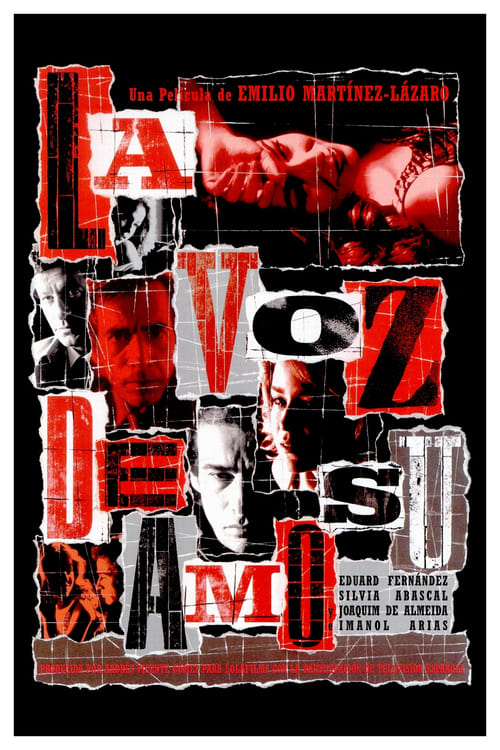
His Master's Voice is a work of localized realism that prioritizes historical authenticity over modern multi-layered identity politics. It succeeds in deconstructing the social order by portraying the Basque political climate as a space of systemic volatility. The film functions as a character study of individuals navigating a restrictive environment. While it lacks diverse demographic representation, it effectively challenges the perceived integrity of traditional power structures like capitalism and political authority. Ultimately, the film is grounded in the specific social realities of 1980s Bilbao, focusing on the intersection of personal loyalty and systemic corruption.
Category Breakdown
The film does not include any explicit LGBTQ+ characters or storylines. The narrative centers on professional and protective dynamics between Charli and Oliveira, with no indication of non-traditional gender identities or same-sex relationships.
Gender roles in the film reflect the traditional constraints of the 1980s. While Marta is a central figure, her role remains largely reactive, as she becomes an object of protection within male-dominated spheres.
The film emphasizes the specific regional identity of the Basque Country. It avoids whitewashing by focusing on authentic, localized demographics rather than using multi-ethnic casting.
The story critiques Western institutions, particularly targeting capitalist corruption and political instability. It presents a world of moral ambiguity shaped by nationalist terrorism and systemic dysfunction.
There are no prominent depictions of visible or invisible disabilities. Characters are defined by their socioeconomic and political roles rather than physical or neurodivergent identities.
Present on Screen
Limited or Absent
Official Synopsis
Basque Country, Spain, 1980s. In Bilbao, a gray city dominated by political corruption and nationalist terrorism, Charli works as a chauffeur for Oliveira, a businessman engaged in shady deals. Alarmed by a series of threats and attacks, Oliveira decides to entrust Charli with the protection of his daughter Marta.
2014
1990
2019
2020
2001
2025
2023

2020
No reviews yet. Be the first to share your thoughts on this movie!
Use the rating form above to leave a star rating and optional review.