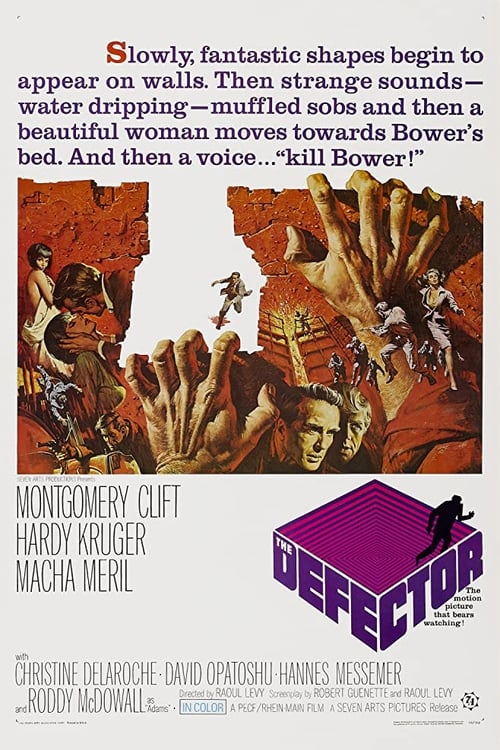
The Defector
1966
No user ratings available yet
Representation score: 1.1 out of 10
Representation Score
Minimal
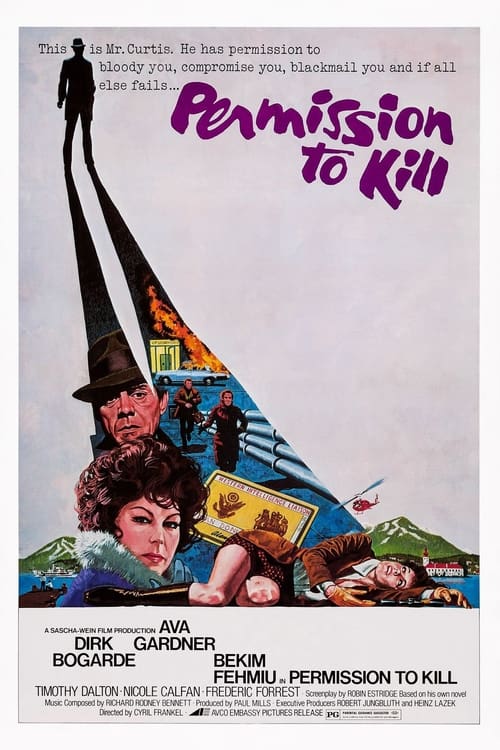
1975
PGDirector
Cyril Frankel
Runtime
93 minutes
Average Rating
No ratings yetNew Showbiz Analysis
Permission to Kill is a conventional crime thriller that centers on a male-centric perspective. While the film lacks demographic diversity, it gains depth through its narrative critique of Western legal and institutional frameworks. The film's primary strength lies in its exploration of systemic failure. By portraying the protagonist's actions as a response to an ineffective judiciary, it delves into a complex ethical framework rather than a straightforward hero narrative. However, the production remains tied to the social norms of its time. Its heavy reliance on traditional gender roles and a homogeneous cast limits its broader impact and prevents a higher diversity score.
Category Breakdown
The film does not feature any LGBTQ+ characters or non-straight relationships. It focuses on a male-dominated professional environment.
The story follows traditional gender hierarchies, focusing almost entirely on male law enforcement officers. Female characters with significant roles or ability to act are notably absent.
The film portrays a socially homogeneous environment. There is no indication of racial or ethnic diversity among the main cast or the 1970s London setting.
The film critiques institutional stability and the rule of law using moral relativism. It challenges the perceived infallibility of traditional state authority.
The film does not depict any characters with visible or invisible disabilities. Neurodivergence or chronic illness are not represented in the character arcs.
Present on Screen
Limited or Absent
Official Synopsis
Western intelligence agents try, by all means necessary, to prevent a Communist-bloc defector from leaving the West in his bid to return home to lead an uprising.
1966

1966
1982
1970
1967

1965
1965

2001
No reviews yet. Be the first to share your thoughts on this movie!
Use the rating form above to leave a star rating and optional review.