
Agony: The Life and Death of Rasputin
1981
No user ratings available yet
Representation score: 4.0 out of 10
Representation Score
Fair
1972
Not RatedDirector
Andrzej Żuławski
Runtime
125 minutes
Average Rating
No ratings yetNew Showbiz Analysis
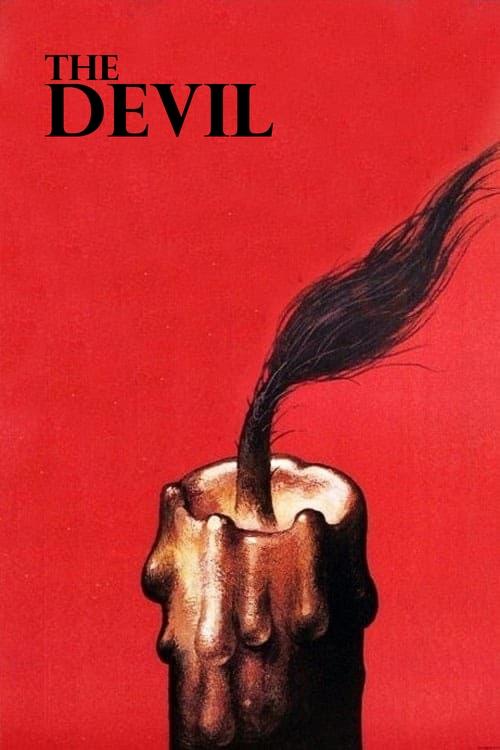
The Devil is a visceral deconstruction of the historical epic, replacing Napoleonic heroism with a hallucinatory exploration of systemic cruelty. It prioritizes thematic depth over demographic diversity, using the chaos of 1807 to challenge traditional social hierarchies. Though the film lacks modern diverse casting and LGBTQ+ representation, it excels in its aggressive rejection of Western institutional authority. By presenting warfare as a nihilistic view of systemic victimhood, it becomes a profound critique of the social contract. Ultimately, the work serves as a psychological study of madness caused by an oppressive world, offering a harrowing yet insightful critique.
Category Breakdown
The film does not include explicit LGBTQ+ characters or stories. Instead, it focuses on the psychological trauma and gender roles of the Napoleonic era.
The story centers around a male protagonist's descent into madness. Women appear but mainly revolve around the male character's psychological struggles. The film challenges traditional masculine stereotypes by showing military hierarchies as ineffective and cruel.
The casting reflects the historical European military classes of 1807. It does not feature modern diverse casting but highlights ethnic and political tensions through shifting borders and colliding national interests.
The film effectively critiques Western institutions. It portrays military and state structures as engines of madness and corruption rather than sources of morality, emphasizing an anti-authoritarian stance.
The film depicts mental health crises in a powerful way. It avoids clichés by showing psychological breakdown as a result of systemic trauma and environmental chaos.
Present on Screen
Limited or Absent
Official Synopsis
Young Polish nobleman Jakub is saved from imprisonment by a stranger. In return, the stranger wants to obtain a list of Jakub’s fellow conspirators. As he follows his mysterious savior across the country, Jakub is affected by the overall chaos and moral corruption; he goes insane and becomes a mass murderer.
1981
1961
1970
1971

1976
1968
1972
1986
No reviews yet. Be the first to share your thoughts on this movie!
Use the rating form above to leave a star rating and optional review.