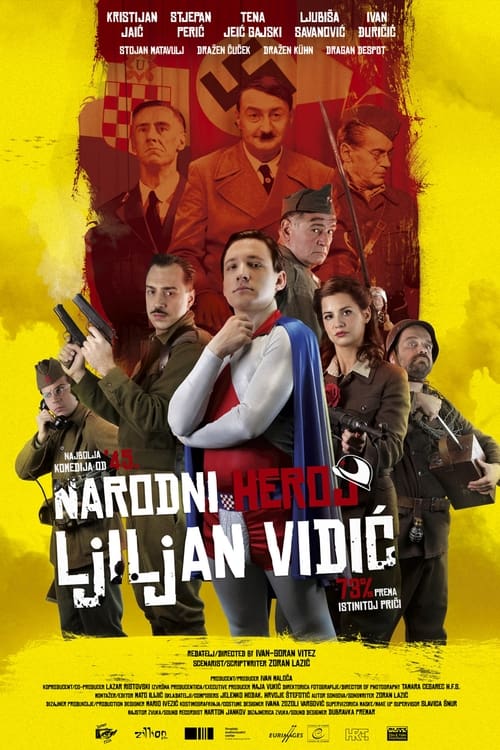
National Hero Lily Vidic
2015
No user ratings available yet
Representation score: 6.4 out of 10
Representation Score
Fair
2013
Director
Andreas Henn
Runtime
23 minutes
Average Rating
No ratings yetNew Showbiz Analysis
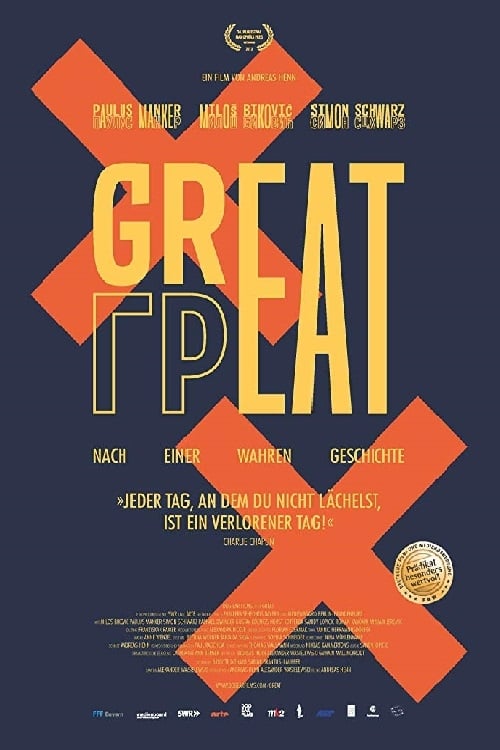
Great offers a compelling look at historical resistance through a Serbian lens. By centering a non-Western perspective during World War II, the film successfully challenges standard cinematic clichés regarding wartime heroism. The narrative's strength lies in its cultural critique. The use of satire to undermine fascist institutions provides a sophisticated layer of social commentary that goes beyond simple combat drama. However, the film's diversity profile is uneven. While ethnic and cultural representation is strong, the roles of women and LGBTQ+ individuals are not explicitly defined within the known narrative.
Category Breakdown
The film does not include any explicit references to LGBTQ+ characters or themes. It primarily focuses on wartime resistance and political defiance against Nazi occupation.
The story centers around a male protagonist named Nikola Radosevic. While women played important roles in Yugoslavian resistance, their specific character arcs are not clearly defined in the film.
The film provides strong ethnic representation by centering a Serbian protagonist. This perspective challenges traditional Western-centric hero clichés by focusing on a non-Western viewpoint.
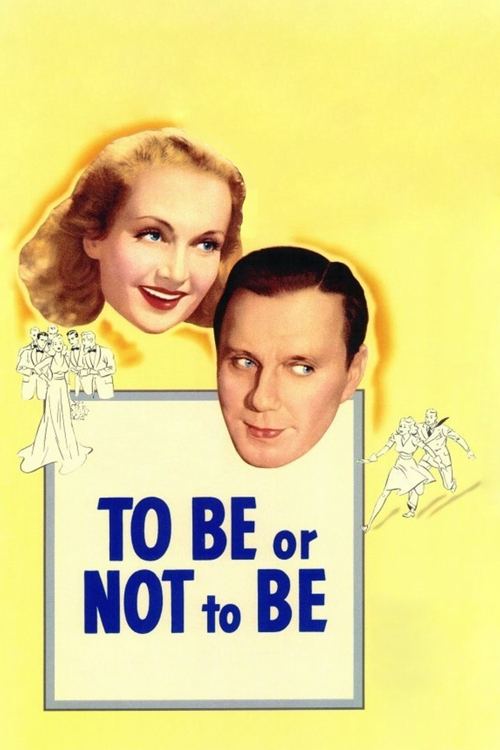
The narrative uses satire to critique authoritarianism and fascist power dynamics. By drawing parallels to Charlie Chaplin's work, the film presents a humanist challenge to state-driven nationalism.
There is no evidence that disability or neurodivergence plays a role in the character arcs or the central plot progression.
Present on Screen
Limited or Absent
Official Synopsis
Did the Nazis ever see Charlie Chaplin's 'The Great Dictator'? Yugoslavia, 1942 - The young Serbian projectionist Nikola Radosevic decides to teach the German oppressors a lesson they won't forget. The beginning of a true and astonishing World War II resistance story.
2015
2009
2016
1966
1943
1942
2016
1983
No reviews yet. Be the first to share your thoughts on this movie!
Use the rating form above to leave a star rating and optional review.