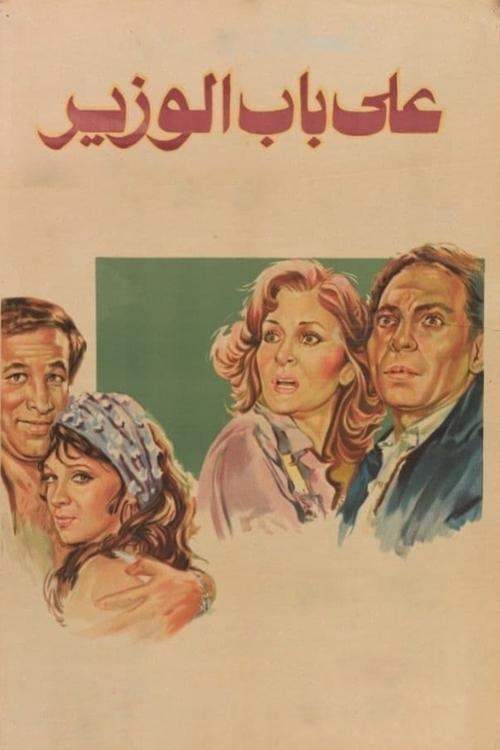
At the Minister's Door
1982
No user ratings available yet
Representation score: 5.4 out of 10
Representation Score
Fair
1976
Director
Hasan Abduselam
Runtime
194 minutes
Average Rating
No ratings yetNew Showbiz Analysis
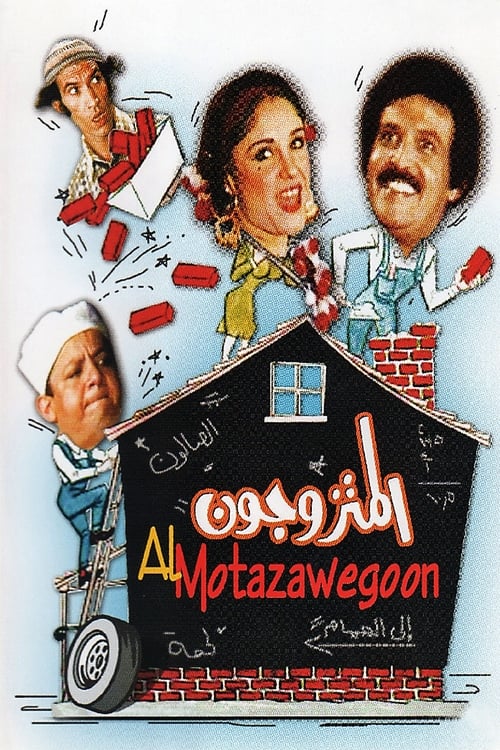
The Married Couples (1976) is a regional social drama that shines through its unique Egyptian perspective. It offers a non-Western viewpoint on family and class conflict. While the film showcases a strong female lead challenging patriarchal authority, it adheres to conventional romantic and domestic themes. The narrative delves into class-based oppression and aristocratic power dynamics. Ultimately, the film provides a critique of societal hierarchies while lacking diverse representations of identity or disability.
Category Breakdown
The film follows a traditional heterosexual romance between Masoud and Lina. There are no non-cisgender identities or LGBTQ+ characters in the main storyline.
Lina stands out as a strong female lead who defies her father's authority. However, the story emphasizes traditional marriage and family life.
As an Egyptian production, the film highlights Middle Eastern culture and society. It focuses on local social structures and class conflicts rather than Western norms.
The story examines the tension between economic status and personal desires. It critiques traditional wealth-based power through inheritance and aristocratic control.
There are no visible or invisible disabilities shown in the main characters' stories.
Present on Screen
Limited or Absent
Official Synopsis
The story revolves around the problems of married people in (Egypt) from the economic and social aspects, where the poor young man (Masoud) falls in love with the aristocratic girl (Lina), and marries her despite her father's refusal. The simple poor life experience with her husband, whom she loves, her father tries to pressure her by various means, including threatening to deprive her of the inheritance, but she is determined to stay with her husband, Masoud asks Lina to move with her to her father's villa in order to get out of the difficult life he lives in rented home.
1982

1994
1985
1986
1981
1961

1972
1977
No reviews yet. Be the first to share your thoughts on this movie!
Use the rating form above to leave a star rating and optional review.