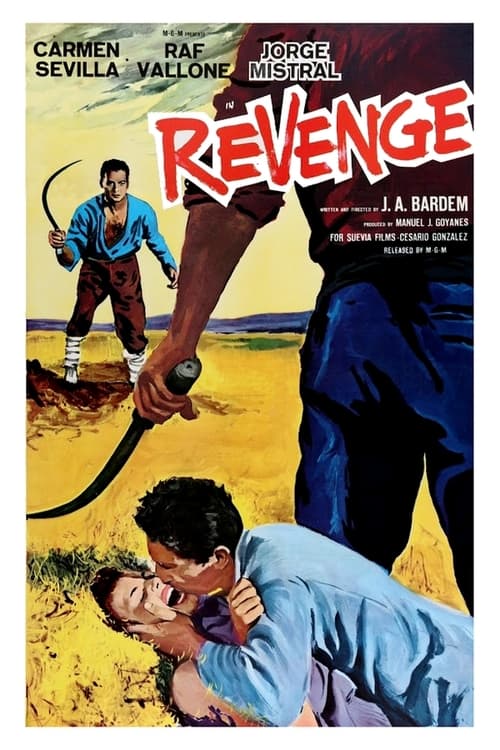
Revenge
1958
No user ratings available yet
Representation score: 4.7 out of 10

Representation Score
Fair
1939
Director
John Alton, Luis Saslavsky
Runtime
100 minutes
Average Rating
No ratings yetNew Showbiz Analysis
Puerta cerrada stands as a notable example of early psychological drama centered around female empowerment. By focusing on Nina Miranda's legal battle, the film moves beyond the domestic clichés common in 1939 cinema. The film's cultural significance is enhanced by its non-Anglo-Saxon creative background. This positioning offers a departure from the era's Hollywood-centric norms, providing a more diverse narrative perspective. However, the work remains limited by the social standards of its time. The lack of LGBTQ+ representation and disability inclusion reflects the narrow cinematic scope of the era.
Category Breakdown
The film does not include explicit representations of non-straight or non-cisgender identities or intimate relationships between people of the same sex. The storyline focuses on personal history and legal battles, which align with the assumptions common in 1939 cinema.
Nina Miranda is a central character whose actions and decisions play a significant role in driving the story. She fights against systemic injustice, challenging the era-specific trend of relegating women to passive roles.
The film's Spanish-language setting and the involvement of Saslavsky provide a platform for narratives that challenge the Anglo-centric norms of 1930s Hollywood. This production offers a more diverse representation of stories outside the homogeneous white casting traditions.
The story critiques the reliability of institutions by examining a woman's claim of innocence against the state. It explores subjective truth and the fallibility of legal systems through a nuanced moral perspective.
There is no documentation of characters with physical or neurodivergent disabilities in the available records.
Present on Screen
Limited or Absent
Official Synopsis
Nina Miranda leaves jail after spending 20 years imprisoned for a murder that she insists she did not commit and recalls the time of her youth.
1958

1939

1949
1958
1934

2008

1949
1958
No reviews yet. Be the first to share your thoughts on this movie!
Use the rating form above to leave a star rating and optional review.