
Bizarre
1987
No user ratings available yet
Representation score: 1.6 out of 10
Representation Score
Limited
1968
ApprovedDirector
Paul Almond
Runtime
108 minutes
Average Rating
No ratings yetNew Showbiz Analysis
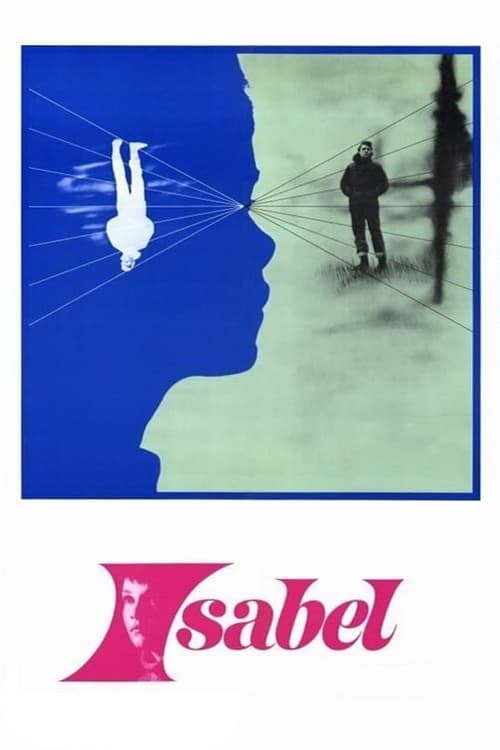
Isabel is a period-specific psychological drama that prioritizes internal character study over social representation. The film succeeds in giving the female lead a significant role in driving the story through her subjective experience, yet it remains limited by the demographic norms of 1968. The lack of racial and LGBTQ+ diversity makes the film a homogeneous social portrait. While it touches on mental health, it does so through established thriller clichés that may prioritize suspense over nuanced disability representation. Ultimately, the film functions as a conventional product of its era, focusing on individual psychological breakdown rather than systemic or cultural critique.
Category Breakdown
The film does not include any LGBTQ+ characters or representations of non-assuming gender matches what was assigned at birth identities. The interpersonal relationships stay within a traditional framework.
The film focuses on the psychological complexity of a female protagonist named Isabel. Although she is not a secondary figure, the movie adheres to traditional clichés about female instability.
The cast is predominantly white, typical of 1960s Western cinema. There is no indication of racial blending or diverse ethnic backgrounds.
The story follows traditional Western narrative structures without critiquing institutions such as religion or capitalism. It focuses on individual isolation rather than societal deconstruction.
The film explores mental health through the protagonist's perspective. However, it risks using neurodivergent experiences as a suspense-driven plot device rather than genuine character's ability to drive the story.
Present on Screen
Limited or Absent
Official Synopsis
A woman believes she is beginning to lose her mind when she begins seeing ghosts and spirits.
1987

1972
1974
1965

2020
1977
1967

1961
No reviews yet. Be the first to share your thoughts on this movie!
Use the rating form above to leave a star rating and optional review.