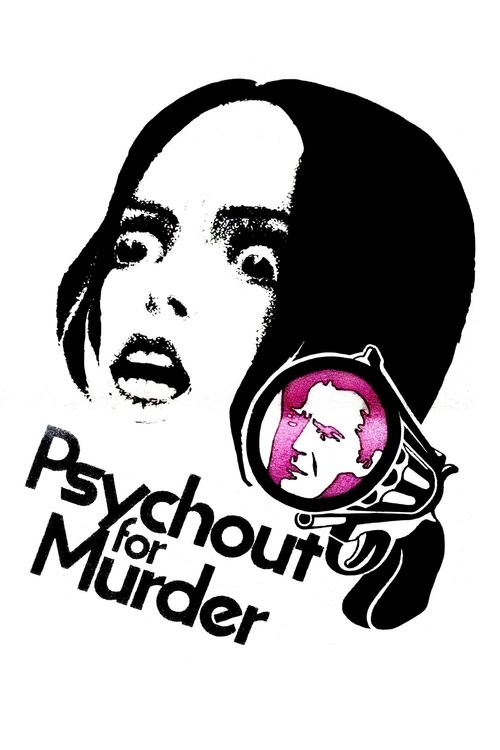
Psychout for Murder
1969
No user ratings available yet
Representation score: 3.0 out of 10

Representation Score
Good
1983
Director
Tulio Demicheli
Runtime
103 minutes
Average Rating
No ratings yetNew Showbiz Analysis
God's Crooked Lines functions primarily as a psychological thriller centered on the subjectivity of truth. Its narrative strength lies in the power struggle between an individual and a systemic institution. The film provides a meaningful exploration of gendered ability to act by positioning the protagonist against a patriarchal conspiracy, disrupting traditional hierarchies of competence and authority. However, the work lacks modern markers of identity politics. It focuses on interpersonal and psychological dynamics rather than explicit demographic diversity or characters who reflect more than one aspect of diversity.
Category Breakdown
The film does not include any visible LGBTQ+ characters or narratives. The central conflict revolves around a marriage, which suggests a traditional romantic framework without any queer subtext.
The female protagonist drives the plot who play a significant role in driving the story. She actively fights against a male-dominated medical establishment, subverting the stereotype of the passive or hysterical female victim.
The film reflects the demographic realities of its 1983 production context. There is no indication of a non-white majority cast or intentional racial diversity.
The narrative challenges the idea of institutional infallibility by questioning objective truth. It critiques established structures of authority through the lens of a potentially corrupt medical system.
Mental health and neurodivergence are central to the plot. The protagonist questions her diagnosis, but it is unclear if the film avoids common stereotypes regarding mental illness.
Present on Screen
Limited or Absent
Official Synopsis
Newly-committed to a mental institution, a woman tries to convince her doctors that her husband conspired to have her put away for selfish reasons unrelated to her mental health.
1969

1994
1995
1963

1974

1986

1987

1972
No reviews yet. Be the first to share your thoughts on this movie!
Use the rating form above to leave a star rating and optional review.