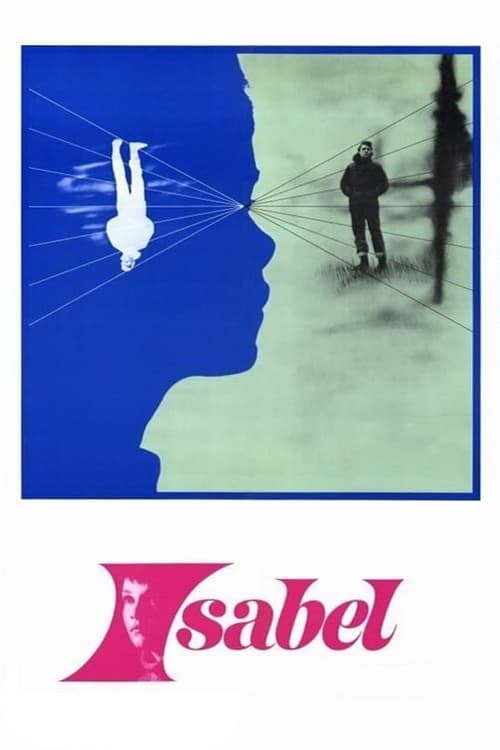
Isabel
1968
No user ratings available yet
Representation score: 3.8 out of 10

Representation Score
Minimal
1987
NC-17Director
Giuliana Gamba
Runtime
98 minutes
Average Rating
No ratings yetNew Showbiz Analysis
Bizarre primarily serves as a psychological character study focusing on a woman's effort to escape domestic entrapment. The film highlights its strength in challenging traditional gender roles by centering a female lead's journey towards freedom. However, the narrative lacks depth in representing diverse identities such as race, ethnicity, and LGBTQ+ experiences. This results in a narrow focus on marital conflict. Overall, the film's progressive value is limited to its critique of traditional domesticity. The absence of diverse representation restricts a broader exploration of identity.
Category Breakdown
The film does not include any non-straight relationships or characters questioning their sexuality. There are no stories featuring LGBTQ+ identities.
The story revolves around a female protagonist who seeks independence by escaping a restrictive marriage. She drives the plot, but her husband's presence suggests ongoing patriarchal influence.
There is no information regarding the racial composition of the cast. The narrative lacks any visible evidence of ethnic diversity or specific racial backgrounds.
The film examines the breakdown of traditional marriages. It focuses on personal psychological struggles rather than community or religious themes.
The haunting element may symbolize mental health issues. However, there is no clear portrayal of disabilities or characters dealing with them.
Present on Screen
Limited or Absent
Official Synopsis
A wife escapes her pressure-filled marriage only to have her husband haunt her literally and figuratively.
1968

1972

2018
2005

1998
1971

2020
1965
No reviews yet. Be the first to share your thoughts on this movie!
Use the rating form above to leave a star rating and optional review.