
Breaking Boundaries: The Science of Our Planet
2021
No user ratings available yet
Representation score: 2.3 out of 10
Representation Score
Good
2018
TV-PGDirector
Susan Kucera
Runtime
83 minutes
Average Rating
No ratings yetNew Showbiz Analysis
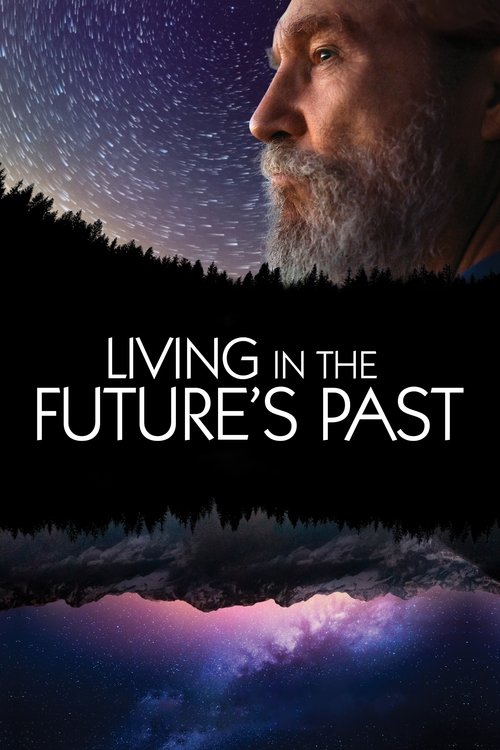
Living in the Future's Past serves as a systemic critique of global structures. By featuring Indigenous voices like Oren R. Lyons, the film broadens its scope beyond a purely Western scientific perspective to incorporate diverse ways of understanding the world. The documentary effectively challenges the anthropocentric view of nature. It examines ecological crises through the lens of flawed economic and political systems rather than just biological factors. However, the film remains focused on systemic themes and intellectual debates. This focus results in a lack of representation regarding individual identity politics, such as LGBTQ+ narratives or disability-specific perspectives.
Category Breakdown
The film focuses on scientific, ecological, and political discussions. There are no characters or narratives centered around LGBTQ+ identities.
Director Susan Kucera offers a fresh perspective that shifts the focus away from traditional scientific documentary clichés. The narrative structure emphasizes collaborative, multi-disciplinary dialogue over singular masculine authority.
The film includes Indigenous perspectives, particularly through the inclusion of Onondaga Nation leader Oren R. Lyons. This integration challenges Western-centric scientific monopolies by incorporating non-Western viewpoints.
The documentary questions anthropocentric and capitalist views by framing modern industry as a cause of instability. It employs a post-humanist framework to critique traditional Western institutions.
There is no specific evidence of the portrayal of visible or invisible disabilities within the scientific and political discourse of the film.
Present on Screen
Limited or Absent
Official Synopsis
Jeff Bridges, alongside prominent scientists and authors, weaves evolution, emergence, entropy, dark ecology, and what some are calling the end of nature, into a story that helps us understand our place among the species of Earth’s household.
2021
2007
2018
2015
2018
2008
2021
2022
No reviews yet. Be the first to share your thoughts on this movie!
Use the rating form above to leave a star rating and optional review.