Earth Songs
2012
No user ratings available yet
Diversity score: 5.1 out of 10
2014
GDirector
Sylvie Rokab
Runtime
76 minutes
Average Rating
No ratings yetSynopsis
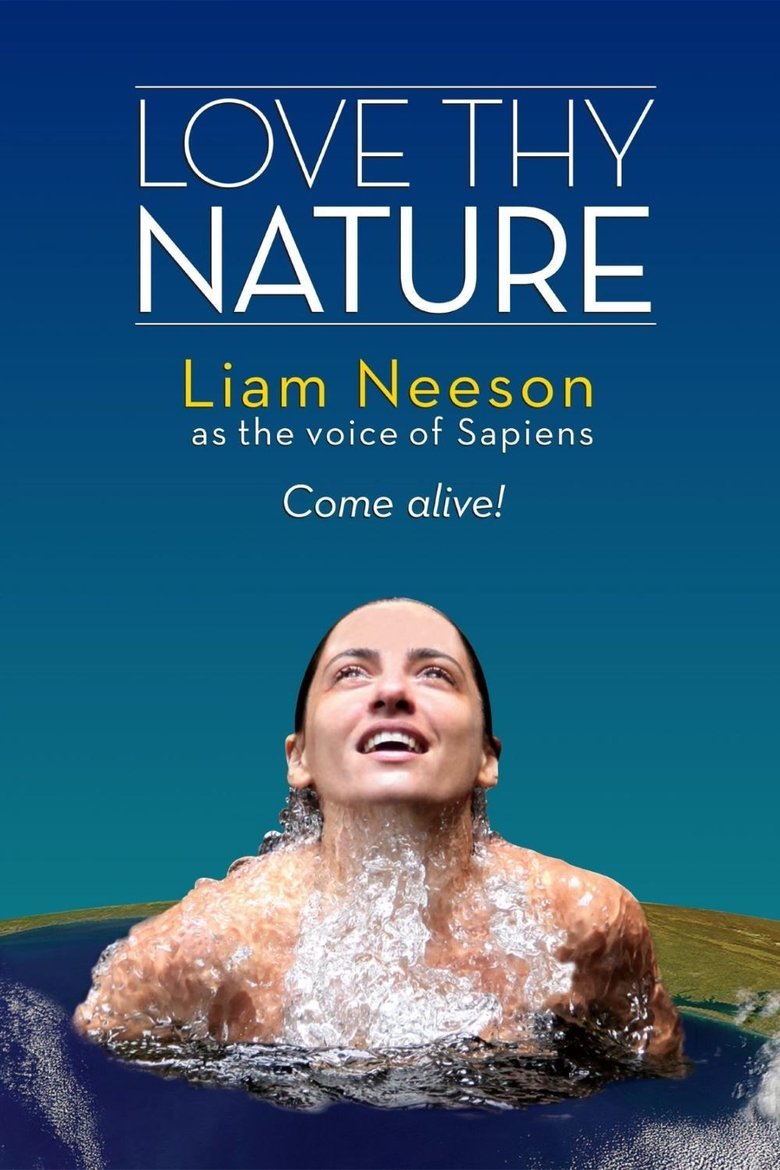
Love Thy Nature points to how deeply we’ve lost touch with nature and takes viewers on a cinematic journey through the beauty and intimacy of our relationship with the natural world. The film shows that a renewed connection with nature is key both to our health and the health of our planet.
Overall Score
Fair
Category Breakdown
LGBTQ+ Representation
The film maintains a neutral baseline typical of nature documentaries. There is no explicit evidence of LGBTQ+ characters or narratives that critique heteronormativity.
Gender Representation
The narrative prioritizes ecological interconnectedness over human social structures. It lacks specific character arcs to analyze the subversion of traditional gender hierarchies.
Racial & Ethnic Diversity
The planetary scope implies a broad perspective, yet it is unclear if human subjects represent diverse ethnic backgrounds. The focus remains largely on non-human landscapes.
Religious & Cultural Diversity
The film frames our lost connection to nature as a systemic issue. This approach subtly critiques modern industrial capitalism and anthropocentric worldviews.
Disability Representation
There is no mention of human subjects with visible or invisible disabilities. Disability representation is not a primary narrative driver here.
Strengths
Areas for Improvement
AI Analysis
Love Thy Nature functions as a traditional ecological documentary that centers the natural world rather than human social hierarchies. By focusing on the intimacy of our relationship with the environment, the film avoids many anthropocentric biases found in mainstream cinema. However, the work remains socially neutral. It lacks the character-driven agency or identity-based complexities necessary to explore intersectional representation. The focus is on biological and environmental observation rather than social or identity politics. Ultimately, the film is ecologically conscious but does not engage with human diversity. It provides a cinematic journey through nature without addressing the specific social identities of the human experience.
2012
2021

1978
2008
2011

2016

2011
2013
2012

2018
2013
2014
No reviews yet. Be the first to share your thoughts on this movie!
Use the rating form above to leave a star rating and optional review.