A Plastic Ocean
2016
No user ratings available yet
Representation score: 4.0 out of 10
Representation Score
Fair
2017
Director
Karina Holden
Runtime
77 minutes
Average Rating
No ratings yetNew Showbiz Analysis
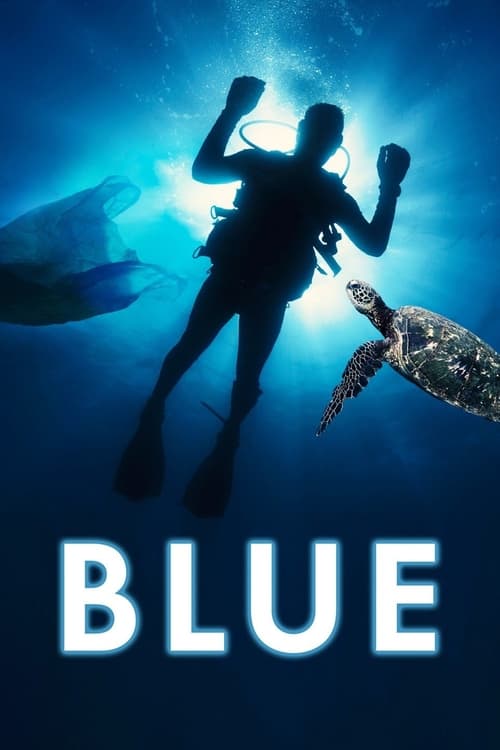
Blue serves primarily as an environmental advocacy piece rather than a character-driven social study. Its strength lies in its systemic critique of industrialization and its global perspective on ecological crimes. By framing maritime expansion as a threat to the planet, the film challenges traditional narratives of unchecked economic growth. However, the documentary lacks explicit representation of specific human identities. Since the focus remains on scientific and systemic data, there is little evidence of LGBTQ+, gendered, or disability-based narratives. The film’s diversity is thematic and geographic rather than demographic. Ultimately, the work succeeds in providing a broad, global lens on environmental degradation, though it remains neutral on individual identity-based representation.
Category Breakdown
The documentary focuses on marine ecology and industrial threats to the ocean without mentioning LGBTQ+ identities or narratives that address heteronormativity.
The film emphasizes scientific and systemic data on global ecological crises. It does not provide specific details about character arcs or gendered roles within the narrative.
The investigation of worldwide ecological crimes indicates a global scope. This framework includes diverse geographic locations and populations affected by maritime industrialization.
The film critiques global capitalism by presenting industrial expansion as ecological crime. This perspective challenges Western industrial dominance and prioritizes the preservation of global ecosystems.
The available information does not indicate any depiction of physical or neurodivergent identities.
Present on Screen
Limited or Absent
Official Synopsis
From space, our planet appears as a tiny blue dot in the vastness of space. Blue, because 99% of all living space on Earth occurs in the Ocean. But the seas are under threat. The industrialization that has occurred in the oceans over the last century mirrors the events that triggered mass extinctions on land. As we learn of the ecological crimes occurring worldwide, we also uncover the shocking truths happening on our own shorelines.
2016
2017
2018
2013
2012
2007

2013
2009
No reviews yet. Be the first to share your thoughts on this movie!
Use the rating form above to leave a star rating and optional review.