
In Defense of Food
2015
No user ratings available yet
Diversity score: 5.5 out of 10
2009
Director
Michael Schwarz
Runtime
120 minutes
Average Rating
No ratings yetSynopsis
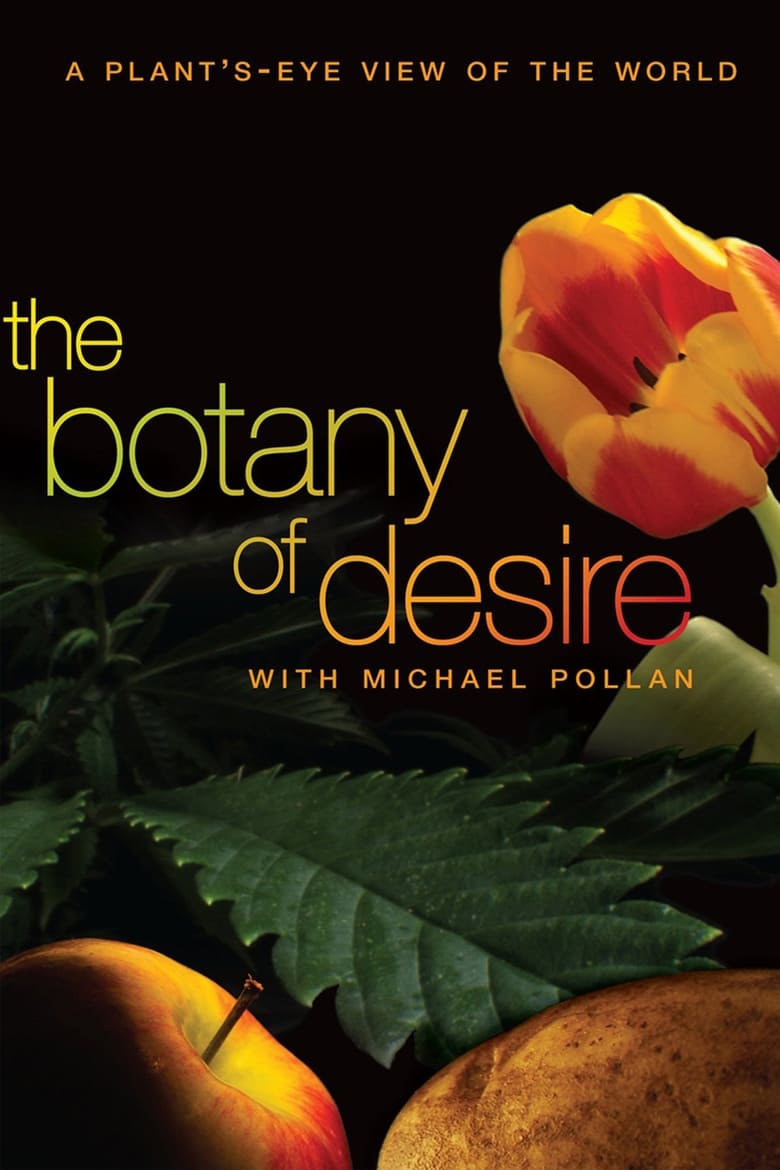
Featuring Michael Pollan and based on his best-selling book, this special takes viewers on an exploration of the human relationship with the plant world -- seen from the plants' point of view. Narrated by Frances McDormand, the program shows how four familiar species -- the apple, the tulip, marijuana and the potato -- evolved to satisfy our yearnings for sweetness, beauty, intoxication.
Overall Score
Fair
Category Breakdown
LGBTQ+ Representation
The film focuses on biological and evolutionary processes rather than human interpersonal relationships. There is no explicit evidence of LGBTQ+ character arcs or non-cisnormative identities.
Gender Representation
Frances McDormand provides a high-profile female voice to guide the intellectual framework. The narrative avoids traditional gendered hierarchies by focusing on the agency of the plant world.
Racial & Ethnic Diversity
The exploration of global species movement touches upon colonialism and trade history. However, the film focuses on systemic botanical history rather than explicit racial character studies.
Religious & Cultural Diversity
The film subverts Western anthropocentrism by framing plants as active participants. It also explores the tension between botanical utility and social control through the subject of marijuana.
Disability Representation
There is no evidence regarding the portrayal of physical or neurodivergent disabilities within the documentary.
Strengths
Areas for Improvement
AI Analysis
The documentary shifts the narrative lens from human dominance to a co-evolutionary perspective between species. It uses botanical subjects as metaphors for human desire and social structures, effectively de-centering the traditional human-centric view of nature. While the film excels at challenging established hierarchies and Western anthropocentrism, it lacks explicit human-centric identity politics. The focus remains on systemic botanical history and the movement of goods across cultures rather than individual human representation. Ultimately, the work functions as a sophisticated deconstruction of power dynamics. It replaces the 'conqueror' archetype with a model of mutualism and complex interdependence between humans and the plant world.
2015

2011
2021

2022

2016
2014

2013

2010

2010

2013
2020

2014
No reviews yet. Be the first to share your thoughts on this movie!
Use the rating form above to leave a star rating and optional review.