
Black and White
1931
No user ratings available yet
Diversity score: 5.7 out of 10
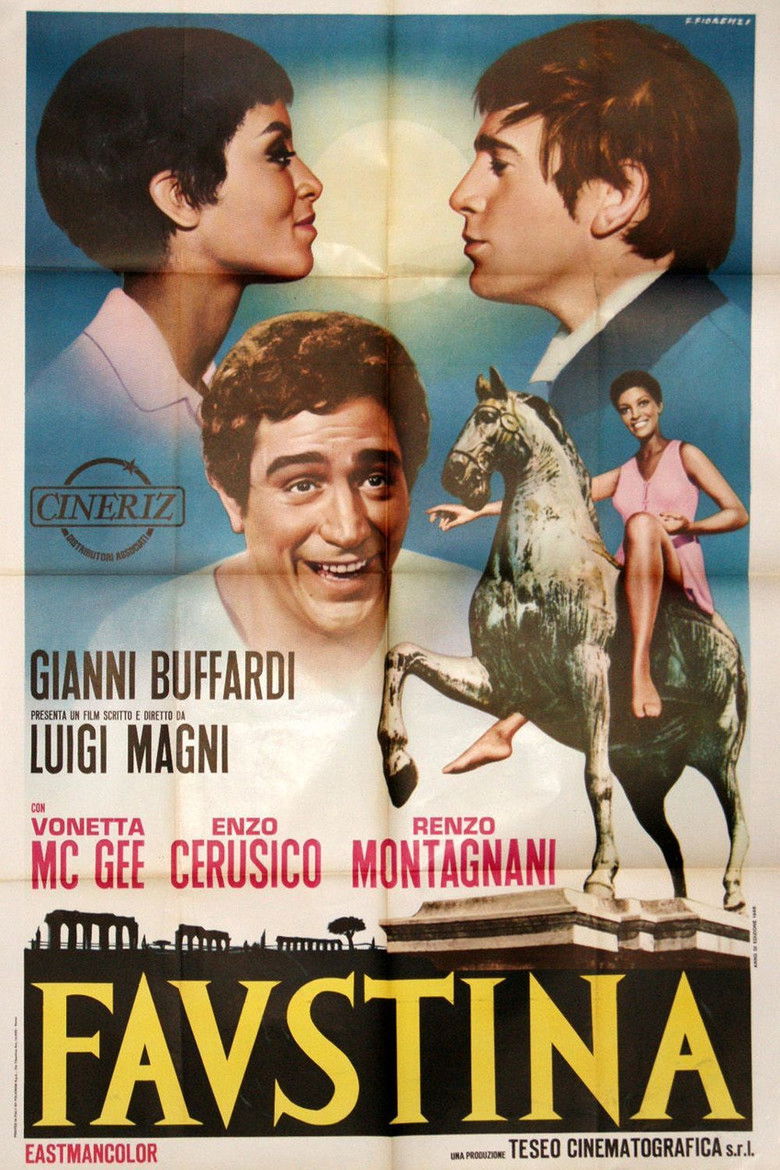
1968
Director
Luigi Magni
Runtime
106 minutes
Average Rating
No ratings yetSynopsis
Faustina, the offspring of a black G.I. and a Roman woman who met during the conflict of World War II, must choose between two Italian men who desperately vie for her attention.
Overall Score
Fair
Category Breakdown
LGBTQ+ Representation
The film lacks explicit depictions of non-heteronormative identities or same-sex intimacy. The narrative focus remains on romantic tensions surrounding the protagonist and political machinations.
Gender Representation
A female protagonist drives the plot through her lineage and personal agency. While political structures are male-dominated, the film explores how women navigate and exert influence within rigid hierarchies.
Racial & Ethnic Diversity
The film disrupts period-piece tropes by centering a protagonist of mixed heritage, the child of a Black G.I. and a Roman woman. This introduces intersectionality and themes of displacement.
Religious & Cultural Diversity
The narrative critiques centralized, autocratic institutions by portraying the Roman imperial court as a site of decadence and corruption. It frames traditional absolute authority as inherently oppressive.
Disability Representation
There is no discernible evidence of the representation of physical or neurodivergent disabilities within the film.
Strengths
Areas for Improvement
AI Analysis
Luigi Magni’s *Faustina* stands out for its intentional subversion of the racial homogeneity typically found in historical period dramas. By centering a protagonist of mixed heritage, the film uses the Roman setting to explore complex themes of identity and cultural blending during wartime. While the film offers a sophisticated critique of systemic corruption and autocratic power, it remains limited by the social norms of its era. The narrative focuses heavily on traditional romantic tensions and male-dominated political structures, leaving little room for diverse sexual identities or disability representation.
1931
1978

2014

1967
1999
1960
1978
1949
1971

1972

1990
1971
No reviews yet. Be the first to share your thoughts on this movie!
Use the rating form above to leave a star rating and optional review.