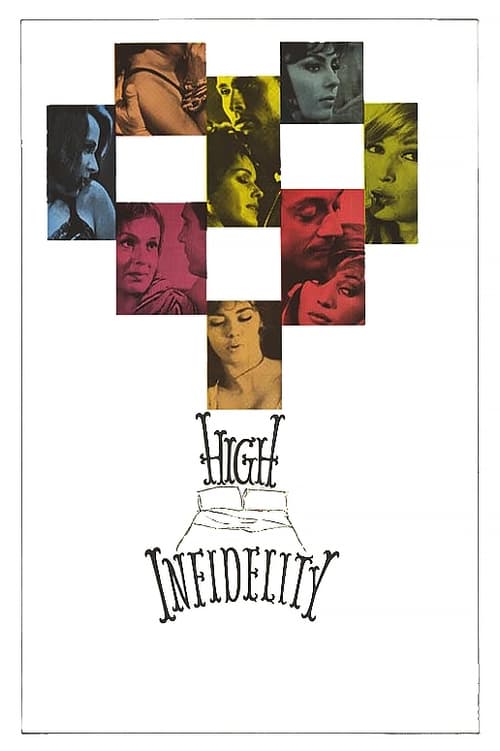
High Infidelity
1964
No user ratings available yet
Representation score: 4.1 out of 10
Representation Score
Limited
1962
Director
Alberto Bonucci, Luciano Lucignani, Nino Manfredi, Sergio Sollima, Armando Crispino
Runtime
115 minutes
Average Rating
No ratings yetNew Showbiz Analysis
This 1962 anthology film functions as a character-driven study of human impulse and social friction. It relies on traditional romantic comedy structures to explore themes of greed, infidelity, and mistaken identity across various vignettes. The film reflects the demographic and social constraints of mid-century European cinema. While it provides more complexity than simple archetypes by allowing women to make morally gray decisions, it lacks intentional characters who reflect more than one aspect of diversity or systemic critique. Ultimately, the work is a product of its time, focusing on European social dynamics and straight-centered romantic struggles rather than progressive social architecture.
Category Breakdown
The film focuses on romantic complications like infidelity and class-based marriage, which are centered around straight relationships. There is no visible presence of LGBTQ+ identities or narratives that critique the assumption that everyone is straight.
Female characters take a leading role through decisive, morally ambiguous choices, such as an attorney prioritizing greed. However, the film remains within traditional romantic comedy frameworks of the era.
The narrative centers on Italian and German archetypes within a European social context. It lacks evidence of casting that reflects multiple aspects of identity or the subversion of standard demographic norms.
The anthology uses moral relativism to explore infidelity and mistaken identity. While it avoids rigid didacticism, it does not offer explicit critiques of Western institutions.
There is no mention of characters with visible or invisible disabilities within the narrative.
Present on Screen
Limited or Absent
Official Synopsis
A journalist could marry the daughter of a tycoon, but prefers a relationship with a married woman. An attorney renounces her lover by greed. A soldier tries to approach a widow on a train. A German couple looking for adventure mistakingly aim for the wrong target, yet find love.
1964
1963

1966

1952
1960
1959

1967
1976
No reviews yet. Be the first to share your thoughts on this movie!
Use the rating form above to leave a star rating and optional review.