Il gaucho
1964
No user ratings available yet
Representation score: 3.0 out of 10
Representation Score
Good
1974
Director
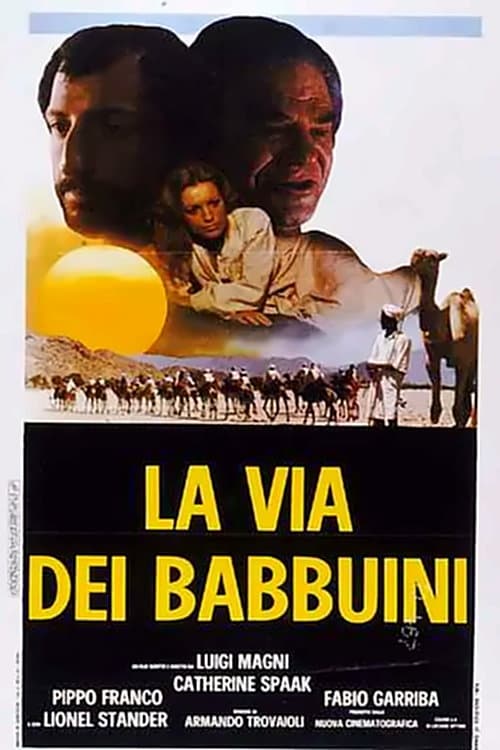
Luigi Magni
Runtime
110 minutes
Average Rating
No ratings yetNew Showbiz Analysis
The film serves as a critique of the Italian bourgeoisie and the lingering impacts of colonial power. It shifts the narrative focus from European stability to a post-colonial landscape. While the film lacks representation for LGBTQ+ identities and disability, it excels in challenging traditional gender roles through Fiorenza’s autonomy. The narrative primarily engages with racial power dynamics and the complexities of colonial legacies in Eritrea.
Category Breakdown
The film does not include any explicit queer narratives or non-cisgender identities. It focuses on marital issues and family duties.
Fiorenza acts who play a significant role in driving the story, choosing to stay in Eritrea instead of returning to her domestic life in Rome. This choice challenges traditional expectations of women's roles.
The film explores the intersection of Italian colonial history and African realities. It highlights the interaction between the protagonist and Getulio, bridging different cultural identities.
The story critiques Western structures by highlighting wealth gained through colonial exploitation. It questions European social norms and imperialist institutions, leaning towards an anti-colonial perspective.
A dying father serves as a plot catalyst, but there is no meaningful exploration of disability or neurodivergence.
Present on Screen
Limited or Absent
Official Synopsis
In full marital crisis, Fiorenza, young Roman bourgeois, must travel to Eritrea to her dying father, former colonizer who made his fortune there. On the death of it, rather than return to Italy, Fiorenza decides to spend some time there, and met the extravagant Getulio, determined to make him discover Africa.
1964

1972

1965

1974

2002

1972

1965

1961
No reviews yet. Be the first to share your thoughts on this movie!
Use the rating form above to leave a star rating and optional review.