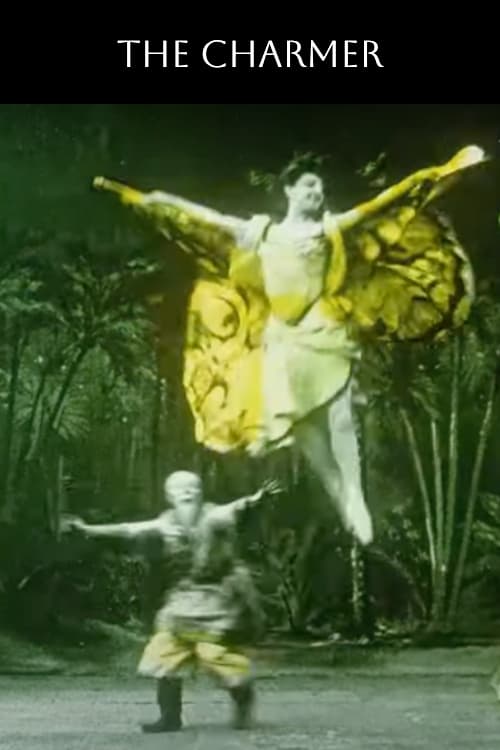
The Charmer
1906
No user ratings available yet
Representation score: 1.5 out of 10
Representation Score
Limited
1908
Director
Segundo de Chomón
Runtime
4 minutes
Average Rating
No ratings yetNew Showbiz Analysis
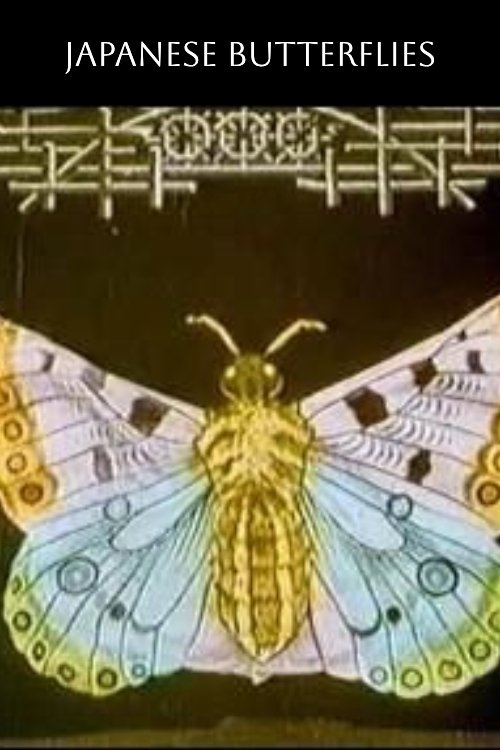
Segundo de Chomón’s work is a technical milestone in early cinema, prioritizing trick photography and visual metamorphosis over social narrative. The film serves as a visual poem of the natural world rather than a vehicle for social commentary. Since the film focuses on the biological transformation of a worm into a butterfly, it lacks the narrative structure to explore identity, gender, or systemic power dynamics. The representation is primarily stylistic rather than character-driven. While the inclusion of Japanese elements offers early cross-cultural visual engagement, the film remains a technical specimen. It lacks the complexity needed to meet contemporary standards of diverse representation.
Category Breakdown
The film does not include any LGBTQ+ characters or stories about non-assuming gender matches what was assigned at birth identities. It focuses on the natural metamorphosis of a creature rather than interpersonal relationships.
There are no indications of gender hierarchies or subversions of traditional roles. The emphasis is on biological processes rather than human social structures.
The film includes Japanese motifs and characters in its visuals. Although it provides cross-cultural engagement for a 1908 French production, it lacks deep character development.
The narrative emphasizes naturalism and visual wonder over social critique. It does not engage with Western institutions, religion, or complex cultural systems.
The film does not feature any characters with physical or neurodivergent disabilities. The content centers on the metamorphosis of a worm into a butterfly.
Present on Screen
Limited or Absent
Official Synopsis
This early silent era film was released in France circa 1908 by Segundo de Chomón. It is partially hand coloured and shows several Japanese characters and eventually a worm change into a butterfly which while flapping it's wings changes colours as it flies.
1906
1932
1907
1907
1908
1907
1908
1904
No reviews yet. Be the first to share your thoughts on this movie!
Use the rating form above to leave a star rating and optional review.