The Golden Beetle
1907
No user ratings available yet
Representation score: 2.7 out of 10
Representation Score
Minimal
1906
Director
Segundo de Chomón
Runtime
4 minutes
Average Rating
No ratings yetNew Showbiz Analysis
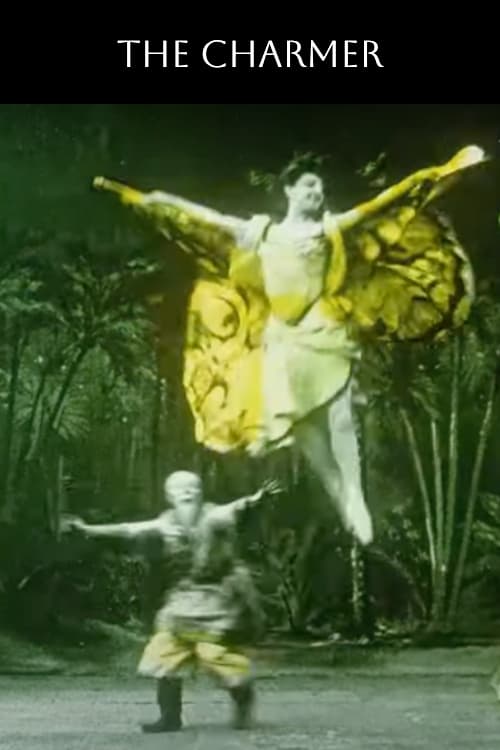
Segundo de Chomón’s *The Charmer* is a foundational piece of early cinematic illusionism. It prioritizes technical experimentation and visual spectacle over character depth or social commentary. The film functions primarily as a demonstration of metamorphosis through trick photography. Because the work is a remake of Georges Méliès's earlier film, it adheres to the whimsical, spectacle-driven conventions of the era. This focus on visual wonder leaves little room for complex identity-driven narratives or systemic critiques. Ultimately, the film is a technical achievement of the silent era that lacks the narrative structure to address diverse social perspectives.
Category Breakdown
The film centers around a magical transformation. There are no representations of same-sex relationships or non-cisgender identities.
A female figure appears through a magical process. However, she serves mainly as a passive object of visual spectacle rather than playing a significant role in the story.
The film seems to follow the homogeneous production standards of early European cinema. There is no indication of a diverse cast or non-Anglo-Saxon identities.
The narrative operates within the realm of pure fantasy and stage magic. It does not engage with political, religious, or socio-economic institutions.
There is no evidence of characters with visible or invisible disabilities within this work.
Present on Screen
Limited or Absent
Official Synopsis
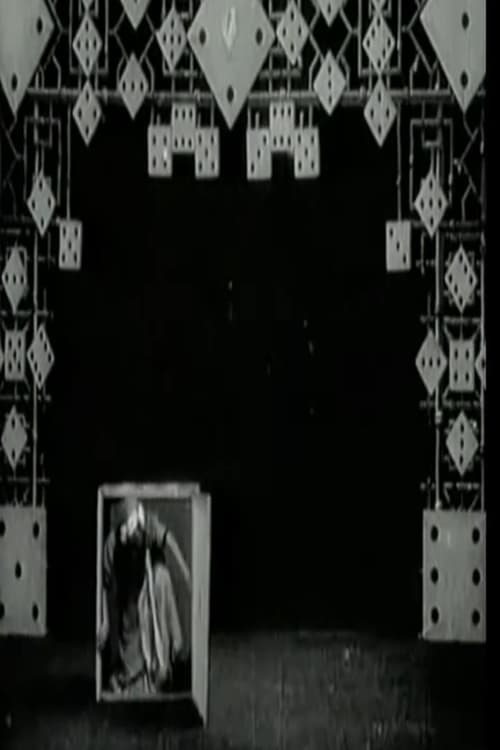
A magician charms a caterpillar and turns it into a butterfly woman. This film is a blatant remake of Georges Méliès's "La Chrysalide et le Papillon d'or" (1901).
1907
1908
1906
1907
1907
1907
1912
1908
No reviews yet. Be the first to share your thoughts on this movie!
Use the rating form above to leave a star rating and optional review.