The Charmer
1906
No user ratings available yet
Representation score: 1.5 out of 10
Representation Score
Minimal
1908
Director
Segundo de Chomón
Runtime
4 minutes
Average Rating
No ratings yetNew Showbiz Analysis
Segundo de Chomón’s short film is primarily a technical demonstration of early cinematic trick photography rather than a narrative driven by social discourse. It prioritizes visual illusions and stop-motion effects over complex character development or themes reflecting multiple aspects of diversity. The film reflects the theatrical clichés of 1908, maintaining a conventional approach to gender and casting. It offers little in the way of social disruption or diverse representation. Ultimately, the film is a work of pure spectacle, focusing on a brief, fantastical vignette without engaging with political, religious, or socioeconomic institutions.
Category Breakdown
The film does not include any characters with non-binary gender identities or LGBTQ+ narratives. The characters are defined by traditional biological roles, and there is no subtext related to identity.
The film adheres to a gender hierarchy typical of its time. The Queen Bee plays a central role in driving the story, but her portrayal relies on traditional feminine stereotypes.
The cast appears uniform, with no indication of race-bent casting or diverse ethnic representation.
The film operates within a purely escapist fantasy framework. It avoids specific moralities and lacks any critique of Western norms or systemic issues.
There are no characters with visible or invisible disabilities in the film. The story focuses solely on the fantastical interactions between the bees and the spider.
Present on Screen
Limited or Absent
Official Synopsis
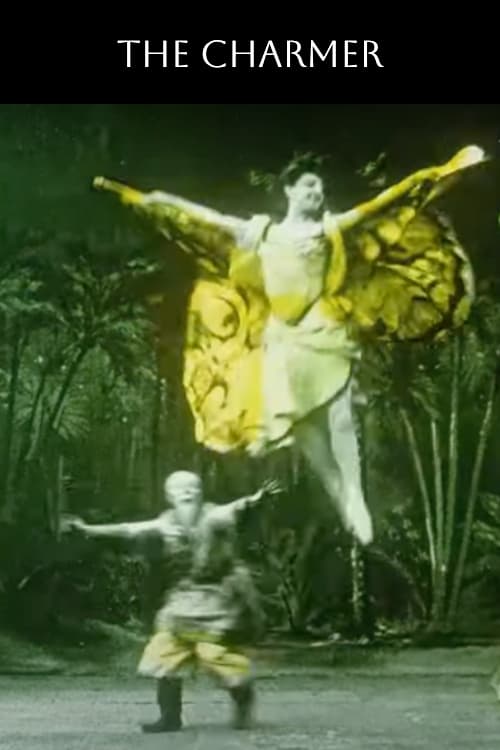
The Queen Bee and her entourage appear dancing around the hive. Suddenly, a splendid rose rises in a bed of flowers, comes to life and flies off with the Queen Bee. Then the Queen of Roses returns to her original state. The Queen Bee is saddened by the loss of her beautiful companion and, after inhaling the fragrance of the roses, falls asleep. A spider spins its web over her and traps her, but a swarm of bees quickly arrives and frees their Queen. The final scene is a graceful ballet featuring charming ballerinas portraying roses and bees.
1906
1907
1908
1909
1908
1907
1907
1905
No reviews yet. Be the first to share your thoughts on this movie!
Use the rating form above to leave a star rating and optional review.