Bluebeard
1898
No user ratings available yet
Representation score: 0.3 out of 10
Representation Score
Minimal
1911
Director
Giuseppe de Liguoro
Runtime
3 minutes
Average Rating
No ratings yetNew Showbiz Analysis
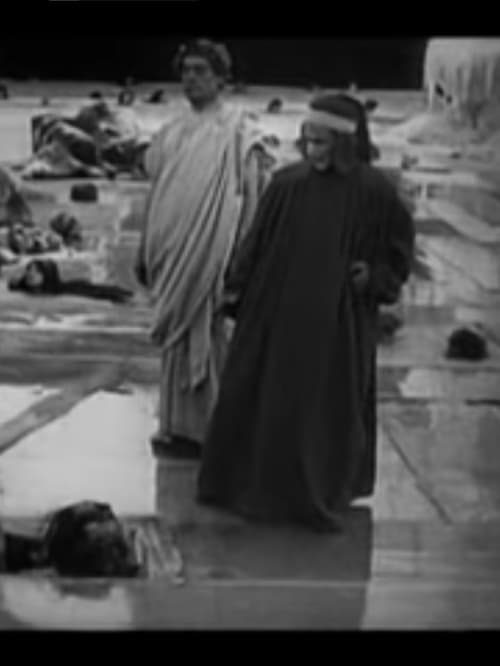
Count Ugolino is a product of the early Italian silent era, a period marked by rigid social structures and homogeneous casting. The film prioritizes dramatic narrative over modern identity-based storytelling, resulting in a lack of diverse representation. The production reflects the historical constraints of 1908, where cinematic language was still developing, leading to adherence to conventional social and cultural norms of the time.
Category Breakdown
The film does not include any representations of LGBTQ+ identities or same-sex relationships. It follows the strict social norms typical of 1908 cinema.
The character arcs likely follow traditional gender roles common in early silent dramas. There is no evidence of challenging conventional feminine or masculine roles.
The cast reflects the homogeneous demographic of early 20th-century Italy. There is no indication of ethnic diversity or actors from different racial backgrounds.
The narrative follows traditional Western dramatic conventions. It lacks themes that would challenge the cultural norms of the period, such as secularist or anti-institutional perspectives.
No characters with visible or invisible disabilities are portrayed. Disability is not a central theme in the narrative structure.
Present on Screen
Limited or Absent
Official Synopsis
Directed by Giuseppe de Liguoro.
1898
1923
1929
1925
1937

1928
1907
1910
No reviews yet. Be the first to share your thoughts on this movie!
Use the rating form above to leave a star rating and optional review.