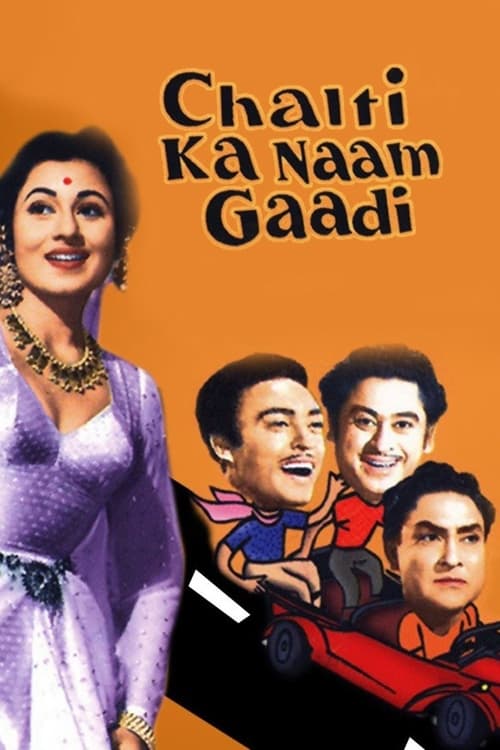
Chalti Ka Naam Gaadi
1958
No user ratings available yet
Representation score: 1.4 out of 10
Representation Score
Fair
1969
Director
Pramod Chakravorty
Average Rating
No ratings yetNew Showbiz Analysis
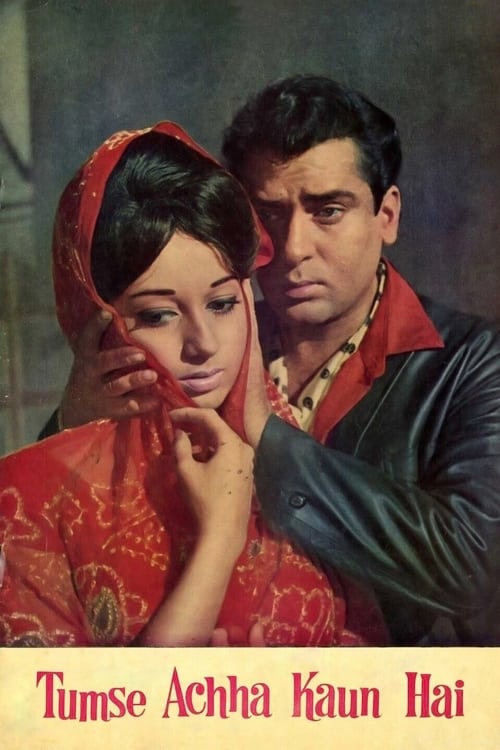
Tumse Achha Kaun Hai is a classic example of 1960s Bollywood, emphasizing emotional drama over social subversion. It excels in its cultural authenticity, avoiding the whitewashing often seen in globalized cinema. However, it remains tied to the conservative social hierarchies of its era, relying on traditional gender roles and using medical hardship as a narrative engine. Ultimately, the film serves as a standard bearer for the romantic musical genre, but it lacks the complexity needed to challenge the status quo.
Category Breakdown
The film follows the social norms of 1969 and focuses on typical romantic relationships without showing any non-straight or non-cisgender identities.
The film includes three heiresses who briefly challenge traditional female roles, but the story ultimately upholds traditional gender hierarchies. Men's roles are the main drivers of the story's conclusion.
The film features a predominantly South Asian cast, maintaining high ethnic authenticity and avoiding Western-centric casting.
The story emphasizes traditional values such as family duty and operates within the moral and social norms of its time.
The sister's illness serves as a plot catalyst rather than a detailed exploration of disability. It motivates the protagonist's actions without delving into the lived experience of disability.
Present on Screen
Limited or Absent
Official Synopsis
In order to get medical treatment for his sister, a brother faces challenges when he is hired to subdue three out-of-control heiresses.
1958
2006
1971

2011
1993

1967
1962

1962
No reviews yet. Be the first to share your thoughts on this movie!
Use the rating form above to leave a star rating and optional review.