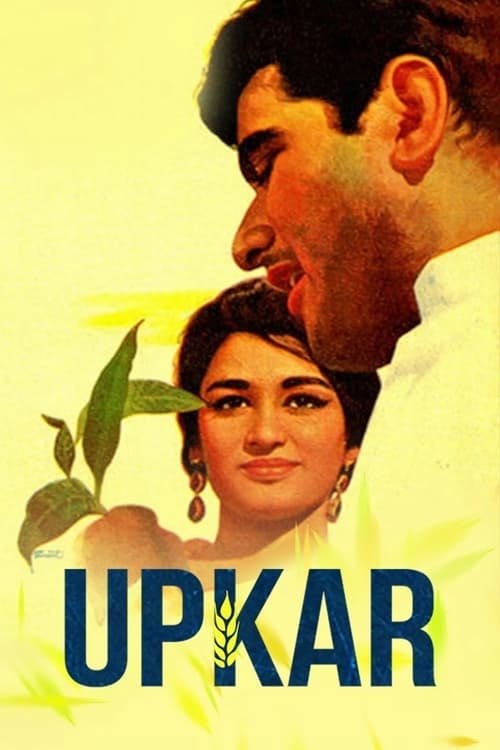
Upkar
1967
No user ratings available yet
Representation score: 3.5 out of 10
Representation Score
Limited
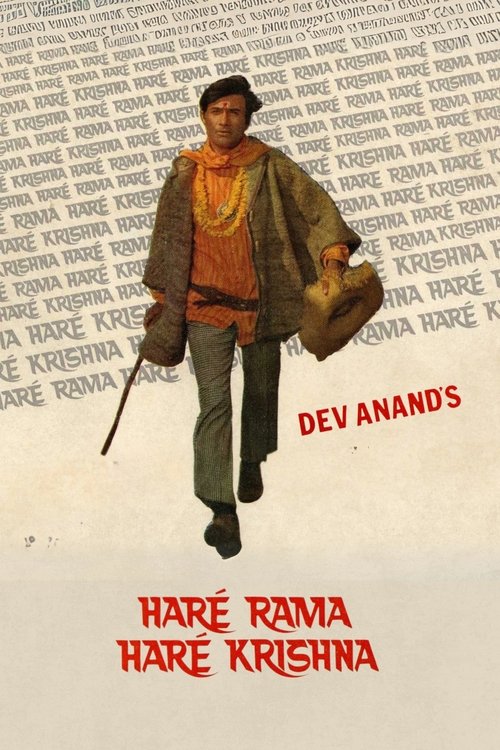
1971
Director
Dev Anand
Runtime
149 minutes
Average Rating
No ratings yetNew Showbiz Analysis
Hare Rama Hare Krishna examines the tension between the 1970s Western counterculture and traditional Eastern spiritual frameworks. It uses a clash of civilizations cliché to explore how globalized hedonism affects local social structures. Despite engaging with cross-cultural themes through its international setting, the film's moral stance remains conservative. It portrays Western modernity as a source of instability rather than liberation. The film effectively addresses post-colonial dialogues about the interaction between the West and Eastern spirituality, while reinforcing traditional hierarchies.
Category Breakdown
The film does not include any LGBTQ+ characters or those with non-cisgender identities. The social dynamics are confined to the traditional heterosexual norms of 1970s cinema.
Female characters play crucial roles in driving the emotional core of the story, especially through their domestic and romantic lives. However, their influence is often limited to traditional roles.
The film achieves a layered portrayal by showing Indian protagonists alongside an international hippie community. This highlights the clash between Western and Eastern identities.
The movie presents a traditional critique of Western counterculture, contrasting perceived aimlessness with the depth of Indian spiritual practices and family life.
The film does not feature any characters with physical or neurodivergent disabilities playing central roles.
Present on Screen
Limited or Absent
Official Synopsis
A young man travels to Kathmandu to find his long-lost sister who is with a band of hippies and bring her back to the family. But doing so may be more difficult than he thought.
1967
1955
1982
1959
1972
1979
2014

1969
No reviews yet. Be the first to share your thoughts on this movie!
Use the rating form above to leave a star rating and optional review.