
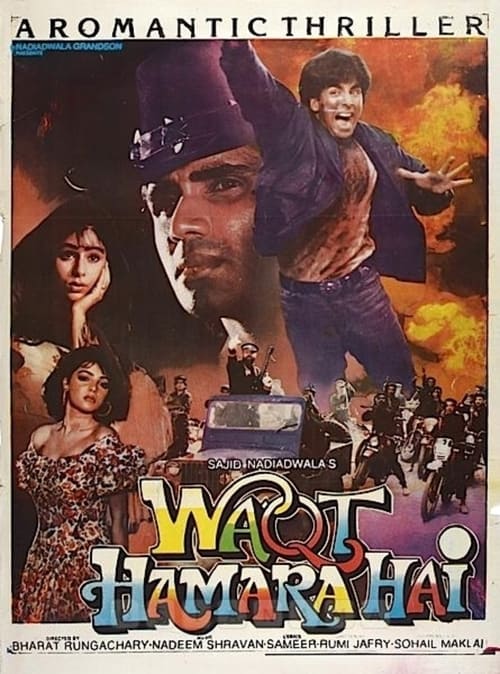
Do Aur Do Paanch
1980
No user ratings available yet
Representation score: 2.9 out of 10
Representation Score
Fair
1993
Director
Bharat Rangachary
Runtime
148 minutes
Average Rating
No ratings yetNew Showbiz Analysis
Waqt Hamara Hai serves as a critique of traditional social structures. It dismantles the ideal family unit by showing the older generation's political and economic demands as barriers to be circumvented. The film excels in its moral relativism, presenting deceptive actions as necessary rebellions against an unfair system. This provides a nuanced view of situational ethics. However, the film is constrained by its era. It lacks LGBTQ+ representation and diverse ethnic casting, focusing instead on a specific cultural and class-based struggle.
Category Breakdown
The film centers on traditional heterosexual relationships and does not include any non-straight or transgender identities. There is no depiction of same-sex intimacy or relationships.
The Vidrohi sisters play key roles in the plot, shifting from passive observers to active participants who drive the story forward.
The cast appears ethnically uniform, reflecting the production standards of the time. However, the story delves into internal class and political structures within a South Asian setting.
The narrative criticizes systemic corruption and the dowry system. It depicts patriarchal family units and political authorities as oppressive forces that characters must overcome.
There is no depiction of physical or neurodivergent disabilities in this film.
Present on Screen
Limited or Absent
Official Synopsis
One-time rival collegians, Vikas Sabkuchwala and Sunil, are now friends and in love with sisters Ayesha and Mamta Vidrohi, who they would like to marry. But their politician father wants a size-able dowry as well as well-placed sons-in-laws, and refuses to have to do anything with them. The foursome get together and arrange the fake kidnapping of the sisters so as to extort a large sum of money from Vidrohi. Things go completely out of control and awry, when Vikas and Sunil find out that the kidnapping has taken place - not by them - but by notorious international terrorist and seemingly invincible Colonel Chikara.
1980

2007
2015
1994
2001
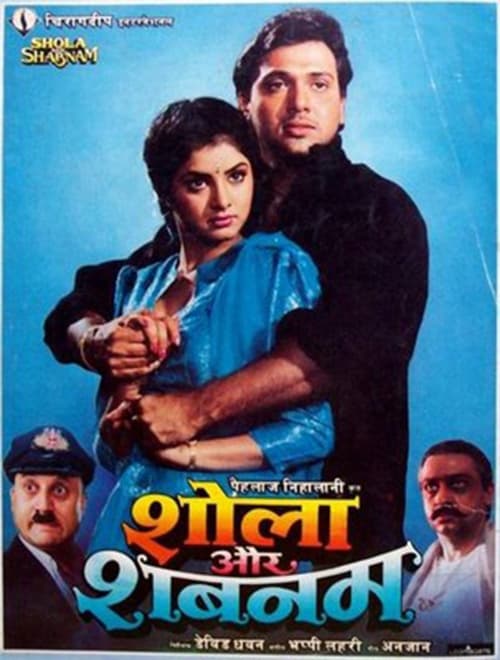
1992

1996
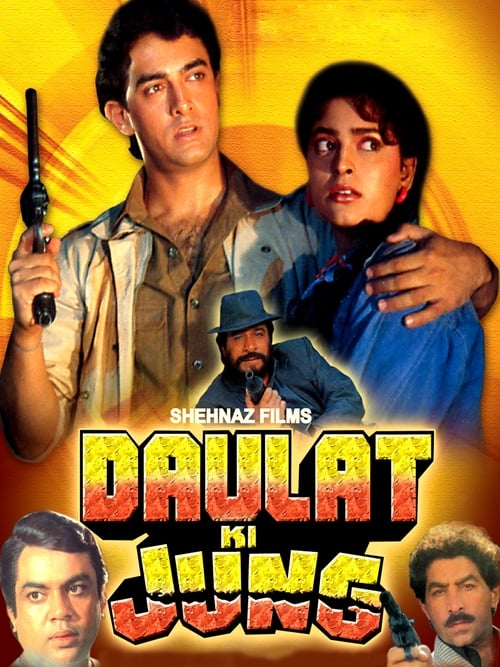
1992
No reviews yet. Be the first to share your thoughts on this movie!
Use the rating form above to leave a star rating and optional review.