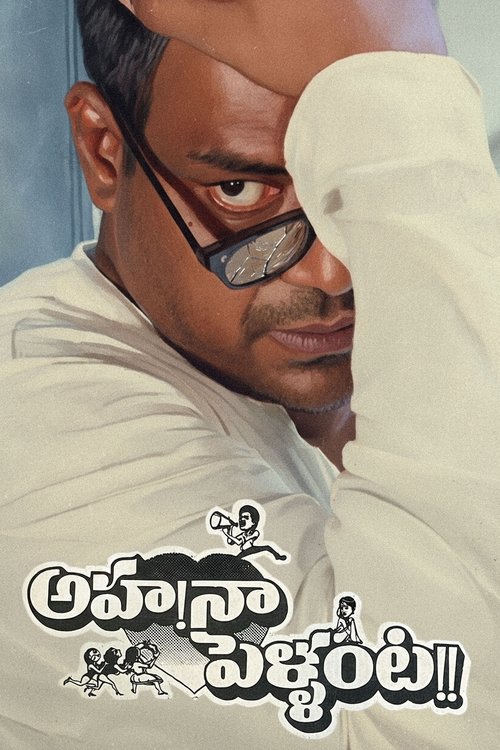
Aha Naa Pellanta!
1987
No user ratings available yet
Representation score: 1.8 out of 10
Representation Score
Limited
1962
Director
Kamalakara Kameshwara Rao
Runtime
166 minutes
Average Rating
No ratings yetNew Showbiz Analysis
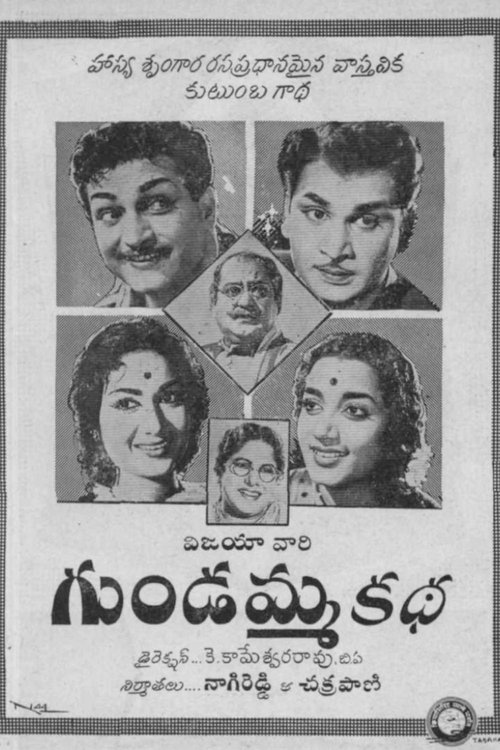
Gundamma Katha is a classic mid-century regional drama that centers on restoring traditional social balance. While the main character's influence offers a moderate challenge to gendered power structures, the film’s primary goal is to uphold the sanctity of the family unit. The narrative stays true to its cultural context, focusing on authentic Telugu social roles rather than blending diverse perspectives. It navigates existing social structures using situational irony without directly challenging them. Ultimately, the film’s adherence to traditional family structures and values limits its diversity profile, despite the nuanced portrayal of a strong female lead.
Category Breakdown
The film adheres closely to the social norms of 1960s India and does not include any representations of non-traditional gender identities or queer themes.
Gundamma challenges traditional gender roles by holding significant authority as a wealthy widow. However, her journey ultimately supports the maintenance of conventional family harmony.
The cast reflects a specific South Indian cultural context, offering an authentic depiction of Telugu social roles during its time period.
The storyline emphasizes traditional values related to family stability and social hierarchy. It focuses on correcting social issues to restore moral and familial order.
The film does not prominently feature characters with physical or neurodevelopmental disabilities, nor do these traits play central roles in the plot.
Present on Screen
Limited or Absent
Official Synopsis
Gundamma is a rich widow who dotes on her daughter Saroja but mistreats her stepdaughter Lakshmi. When brothers Anji and Raja encounter this family, they decide to teach the old woman a lesson.
1987
2003
1983
2007
2022
2012
1978
1988
No reviews yet. Be the first to share your thoughts on this movie!
Use the rating form above to leave a star rating and optional review.