
Khubsoorat
1980
No user ratings available yet
Representation score: 4.3 out of 10

Representation Score
Minimal
1967
Director
Tapi Chanakya
Runtime
171 minutes
Average Rating
No ratings yetNew Showbiz Analysis
Ram Aur Shyam is a classic dual-role drama focusing on identity and familial conflict. It operates within a traditional framework, emphasizing the restoration of moral and domestic stability through the protagonist's journey. The film relies on established genre clichés to explore individual virtue against localized tyranny, rather than challenging broader social norms. While the narrative offers a compelling look at identity through its dual protagonists, it lacks depth in exploring multiple aspects of identity.
Category Breakdown
The film strictly follows the assumption that everyone is straight or cisgender. There are no representations of non-cisgender identities or same-sex intimacy.
Gender roles follow the standards of 1960s commercial cinema. The male protagonist plays a significant role in driving the story, while female characters mainly have domestic or romantic roles.
The cast consists of a homogenous South Asian ensemble, reflecting the cultural and historical context of the era's Indian storytelling.
The story emphasizes traditional values related to family sanctity and social cohesion. It prioritizes restoring domestic order over broader social critiques.
There are no prominent depictions of physical or cognitive disabilities. Character conflicts center around socioeconomic and interpersonal issues.
Present on Screen
Limited or Absent
Official Synopsis
Abused by an oppressive brother-in-law Gajendra (Pran), Ramchandra (Dilip Kumar) runs away from home, and ends up in a small village where he is mistaken for Shyamrao (also Dilip Kumar), and must accept Ganga (Leela Mishra) and his new name or face severe exorcism. Meanwhile, Shyamrao is mistaken for Ramchandra by Anjana (Waheeda Rehman) and her dad (Nazir Hussain). When Gajendra finds out, he is enraged and attempts to beat the stuffing out of the person he thinks is his brother-in-law, but Shyamrao refuses to be abused or beaten, and all of a sudden things start changing in the household as well as in the community. It is not long before Gajendra finds out about the truth, and plans an ugly death for Shyamrao, and all those opposed to him.
1980

2007
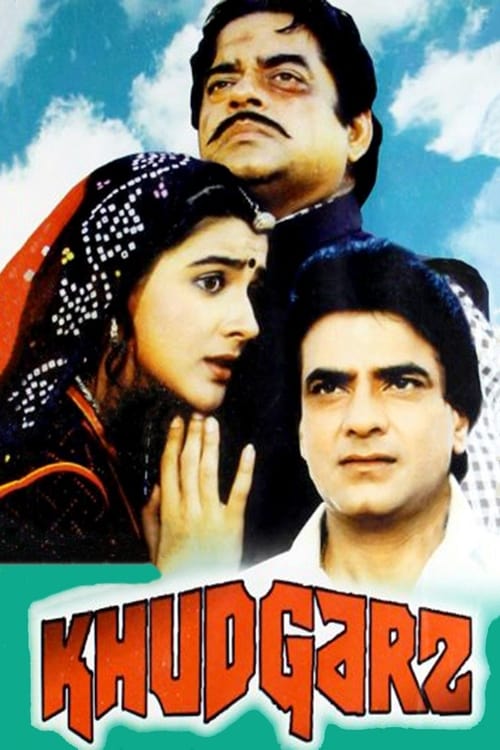
1987
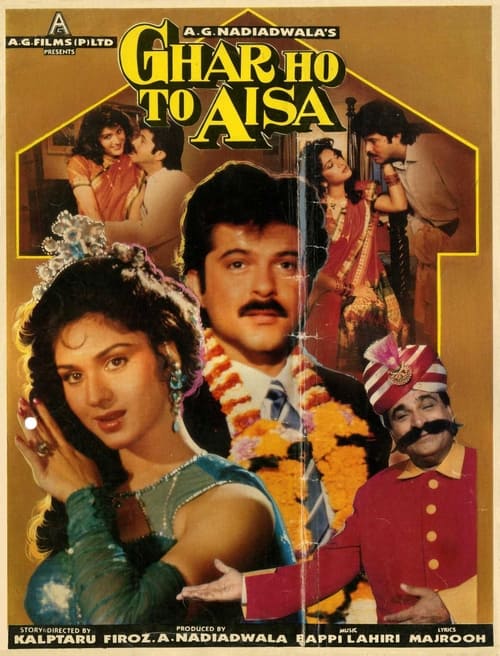
1990
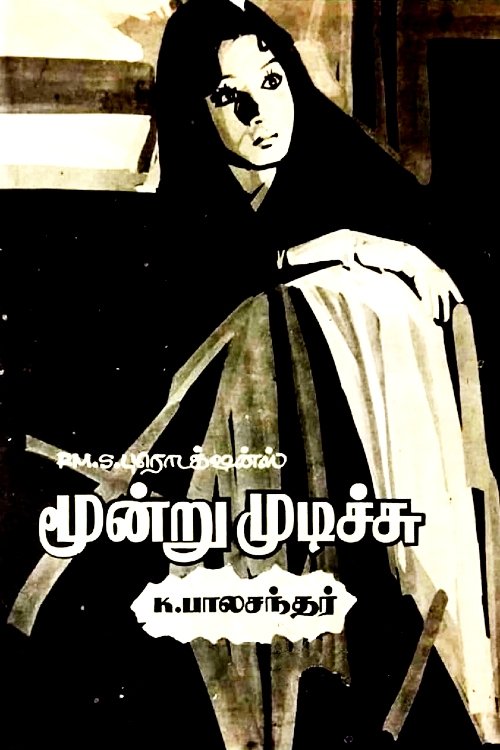
1976
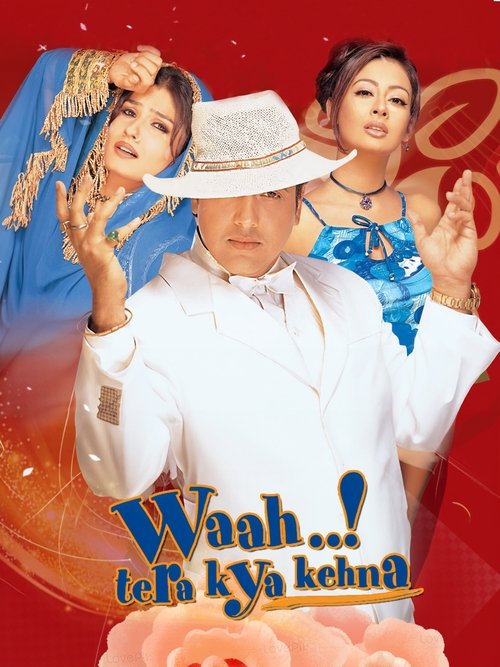
2002
1985
1975
No reviews yet. Be the first to share your thoughts on this movie!
Use the rating form above to leave a star rating and optional review.