
Naledi: A Baby Elephant's Tale
2016
No user ratings available yet
Representation score: 4.7 out of 10
Representation Score
Limited
1957
GDirector
Edmond Séchan
Runtime
29 minutes
Average Rating
No ratings yetNew Showbiz Analysis
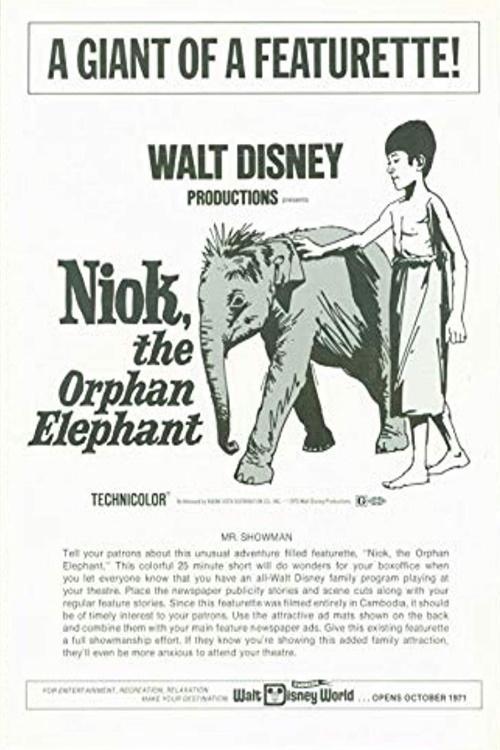
Niok, The Orphan Elephant provides a non-Western perspective, moving away from the typical 'explorer' cliché by giving local children ability to act and allowing them to resist commercial interests. While the film does not intentionally engage with modern storytelling that reflects multiple aspects of identity, its observational nature offers a meaningful representation of local life. The narrative focuses on communal bonds and resistance against commercial exploitation. However, it remains limited by the era's conventional social depictions and a lack of explicit ideological depth.
Category Breakdown
The film contains no evidence of LGBTQ+ characters or non-assuming gender matches what was assigned at birth identities. The narrative focuses entirely on the bond between children and an elephant.
The film does not explore gendered power dynamics, focusing instead on the interactions among a group of children. The roles align with conventional social structures typical of mid-century documentaries.
By setting the story near Angkor Wat, the film avoids the typical Eurocentric explorer narrative. Local children take charge of the plot, showing active involvement rather than serving as passive background figures.
The film critiques commercial exploitation through a narrative of resistance. However, it lacks the complex ideological framing necessary for a higher cultural score.
There is no evidence regarding the depiction of physical or neurodivergent disabilities within the film's context.
Present on Screen
Limited or Absent
Official Synopsis
Near the region of Angkor Watt, a group of children capture a baby elephant and are just growing attached to it when it is sold to a travelling safari. Pursuing the new owner, a boy manages to steal it back, and the children free it to return to its mother.
2016
2004
2022
1966

2012
2016
2021
2024
No reviews yet. Be the first to share your thoughts on this movie!
Use the rating form above to leave a star rating and optional review.