The Ancient Woods
2018
No user ratings available yet
Representation score: 7.5 out of 10
Representation Score
Limited
2013
Director
Michelangelo Frammartino
Runtime
28 minutes
Average Rating
No ratings yetNew Showbiz Analysis
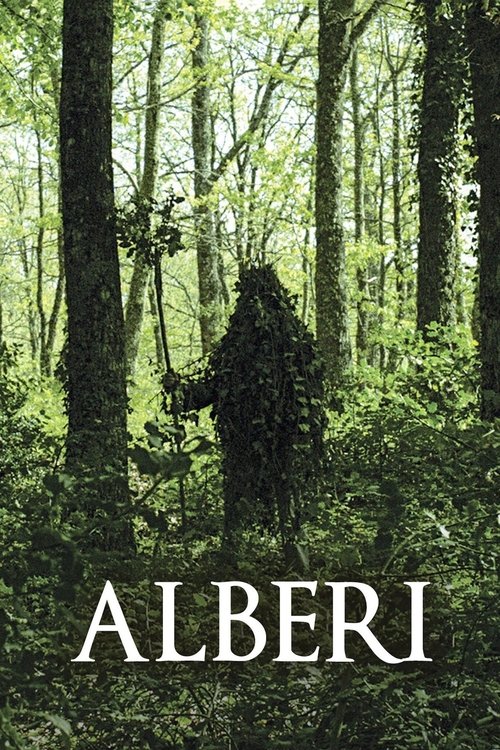
Trees functions as a formal subversion of standard cinematic structures. By using a slow cinema aesthetic, it moves away from human-centric storytelling to prioritize an interconnected ecological perspective. The film's strength lies in its ability to place human activity on an equal plane with the biological rhythms of the forest. It dismantles the hierarchy between the observer and the observed. While the work does not engage with identity politics through traditional character-driven means, it offers a sophisticated critique of anthropocentrism through its meditative, post-narrative approach.
Category Breakdown
The film does not include any characters or romantic stories related to LGBTQ+ identities. Since it is a documentary focused on environmental observation, it does not depict gender identity or sexual orientation.
The film does not have a character-driven plot, making it hard to assess traditional gender roles. However, it avoids reinforcing masculine leadership by emphasizing collective, rhythmic labor rather than individual ability to act.
The film features a cast of Calabrian inhabitants. Although it lacks a multi-ethnic cast, it avoids a white-centric perspective by focusing on a specific Mediterranean community.
The film challenges typical Western storytelling by rejecting linear, goal-oriented plots. It emphasizes an ecological interconnectedness that deconstructs human-centric views and portrays labor as a natural, cyclical part of the environment.
Due to its observational nature and lack of specific character arcs, the film does not provide any representation of visible or invisible disabilities.
Present on Screen
Limited or Absent
Official Synopsis
Wrapping the audience in waves of sound, Alberi takes us on a circular journey through the Italian countryside. The marvelous natural music at the tops of the eponymous trees makes way for the rhythmic cadence of civilization—men baring axes and the natural clatter of daily life—before their unforgettable return home from the forest. The singular artistry of director Michelangelo Frammartino (Le quatro volte) is beautifully displayed in this mesmerizing homage to nature.
2018
2013
2013
1996
2018

2017
2016
2021
No reviews yet. Be the first to share your thoughts on this movie!
Use the rating form above to leave a star rating and optional review.