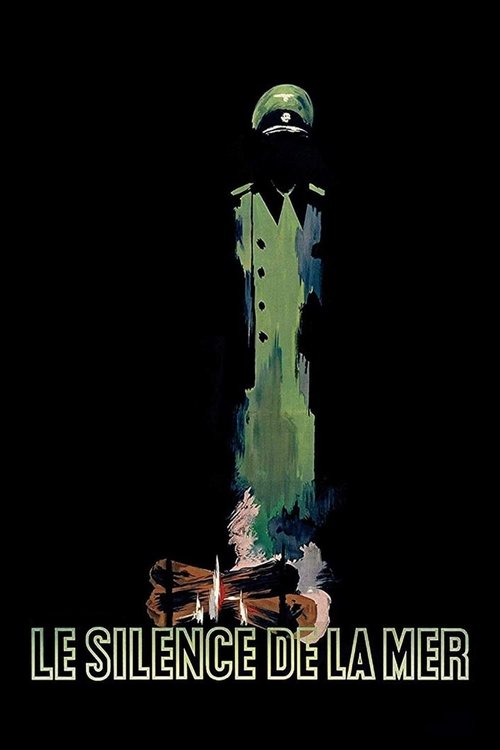
The Silence of the Sea
1949
No user ratings available yet
Representation score: 1.9 out of 10
Representation Score
Fair
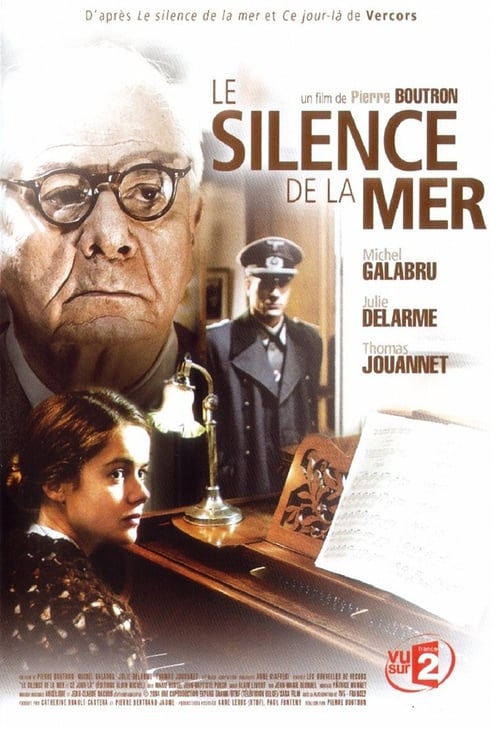
2004
Director
Pierre Boutron
Runtime
100 minutes
Average Rating
No ratings yetNew Showbiz Analysis
Silence of the Sea is a character-driven period drama that prioritizes psychological depth over demographic breadth. It succeeds in subverting wartime clichés by focusing on the moral ambiguity of its protagonists rather than simple political binaries. The film's strength lies in its nuanced exploration of individual power against systemic oppression. By centering Jeanne's quiet resistance, it provides a unique perspective on power dynamics during the German Occupation. However, the film is limited by its historical setting, resulting in a lack of racial and LGBTQ+ diversity. It functions primarily as a study of Franco-German tension rather than an multi-layered narrative.
Category Breakdown
The film explores an unspoken emotional bond between a German officer and a French woman, but it does not explicitly focus on queer or non-cisgender identities.
Jeanne exerts significant psychological influence through her silence, challenging traditional wartime hierarchies. The male protagonist also faces a deconstruction of his systemic authority and power.
The narrative reflects the historical homogeneity of 1940s occupied France, with a predominantly Western European cast and setting. There is little racial diversity in the main storylines.
The story offers a sophisticated critique of nationalism and institutional power, avoiding simple hero-villain clichés to explore the human cost of occupation and state-driven ideologies.
There are no visible or documented depictions of physical or neurodivergent disabilities that drive the narrative.
Present on Screen
Limited or Absent
Official Synopsis
In a small town in the West of France, during the German Occupation, a room is requisitioned by a Wehrmacht captain, Werner von Ebrennac. The house where he now stays is inhabited by young Jeanne, who makes a living by giving piano lessons, and by her grandfather. Quite upset, the two "hosts" decide to resist the occupier by never speaking a word to him. Now Werner is a lover of France and its culture, and he tries to persuade them that a rapprochement between Germany and France would be beneficial for the two nations. Quite unexpectedly Jeanne, little by little, falls in love with Werner. At the same time, the Francophile officer loses his illusions, realizing at last that what Nazi Germany actually wants is to thrall France and to stifle its culture...
1949
1974
1962
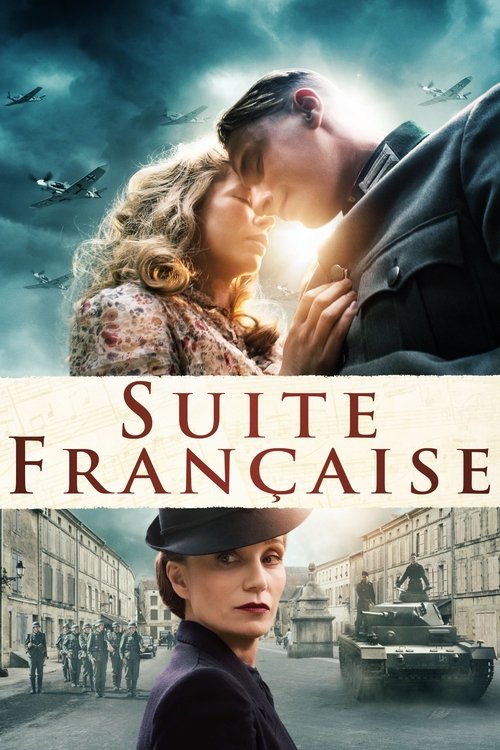
2015

1984
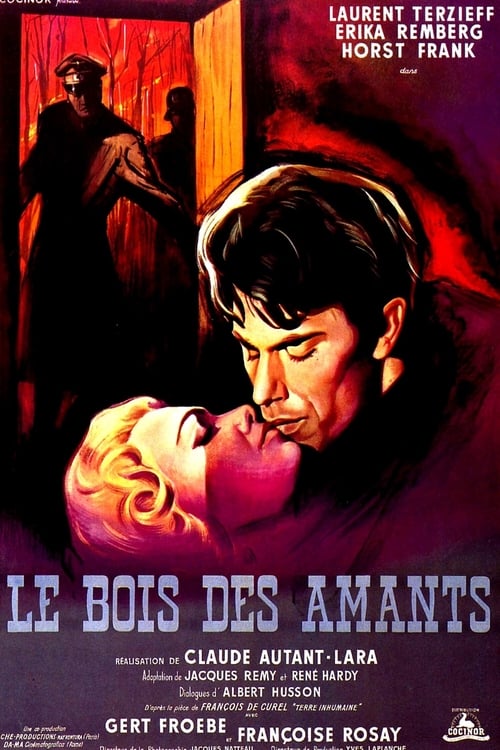
1960
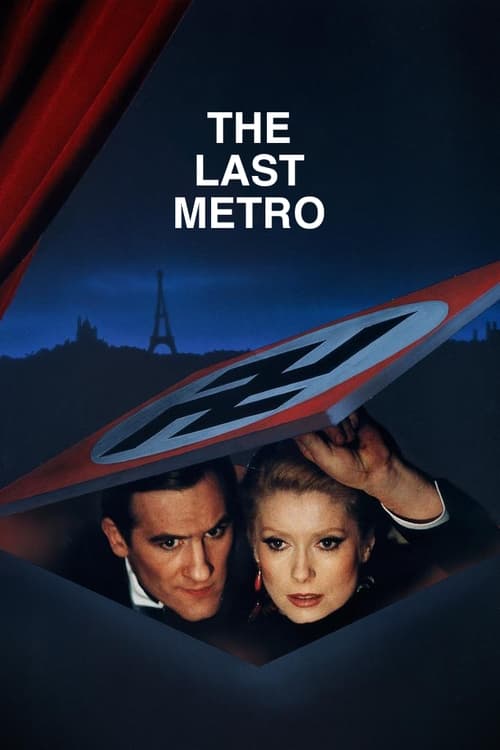
1980
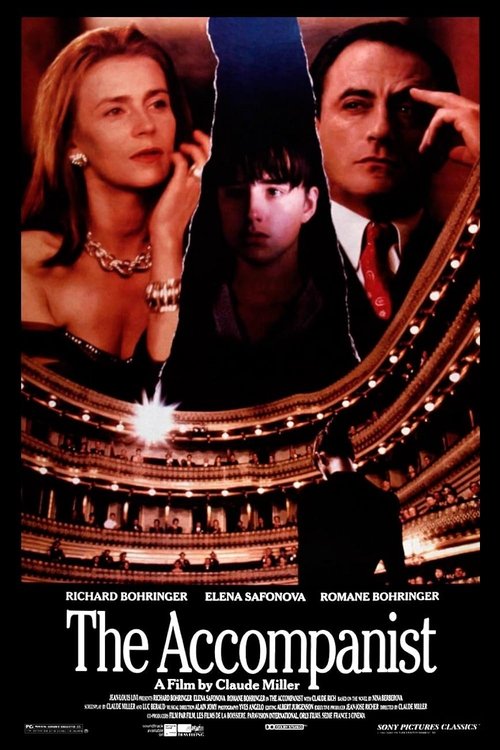
1992
No reviews yet. Be the first to share your thoughts on this movie!
Use the rating form above to leave a star rating and optional review.