
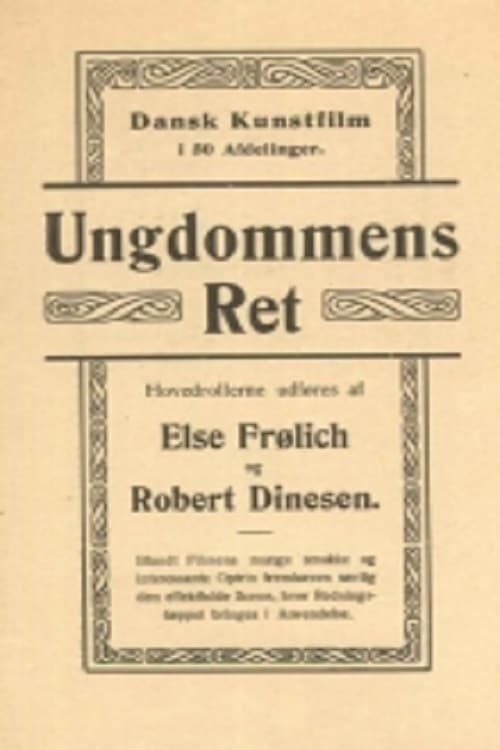
Just a Woman
1918
No user ratings available yet
Representation score: 0.2 out of 10
Representation Score
Minimal
1911
Director
August Blom
Runtime
33 minutes
Average Rating
No ratings yetNew Showbiz Analysis
August Blom’s drama is a reflection of its time, focusing on the rigid social structures of early 20th-century Denmark. The plot centers on class-based dynamics, surveillance, and the preservation of reputation, which limits its depth in representing diverse identities. The film relies on traditional hierarchies where male characters exert control over the lives and safety of others. This creates a narrative where women and younger characters are subjects of scrutiny rather than autonomous agents. Ultimately, the work lacks representation of diverse identities, disabilities, or non-straight relationships, reflecting the homogeneous social focus of early silent cinema.
Category Breakdown
The film does not include any characters with non-straight or non-cisgender identities. The story revolves around traditional romantic relationships and family dynamics.
Men in positions of power steer the plot through surveillance and decision-making. Women play crucial roles in the tension but are often portrayed as victims of male-driven conflicts.
The setting seems to be within a homogeneous social environment. There is no indication of racial diversity or non-white casting in this early Danish production.
The story is centered around traditional class hierarchies, featuring roles such as a Chamberlain and a Court huntsman. It emphasizes social propriety and reputation over institutional critique.
There is no mention of characters dealing with physical, sensory, or neurodivergent conditions within the narrative.
Present on Screen
Limited or Absent
Official Synopsis
Court huntsman, Søtoft, is courting his daughter Else’s lady-in-waiting, Miss Engelke. That’s why it’s a bit of a punch in the stomach when, late one evening, he discovers his son Ove in close contact with her. Chamberlain von Plessen, who had been gossiping to Søtoft and is himself spying on the young couple, is going to set fire to the room they’re in. The hurt Søtoft wants to leave the young couple to their cruel fate – that is until he discovers that it’s not Engelke, but his daughter Else, who is trapped in the flames with her brother. (Stumfilm.dk)
1918
1921
1914
1931
1922
1920
1911
2011
No reviews yet. Be the first to share your thoughts on this movie!
Use the rating form above to leave a star rating and optional review.