
The One
2025
No user ratings available yet
Diversity score: 6.4 out of 10
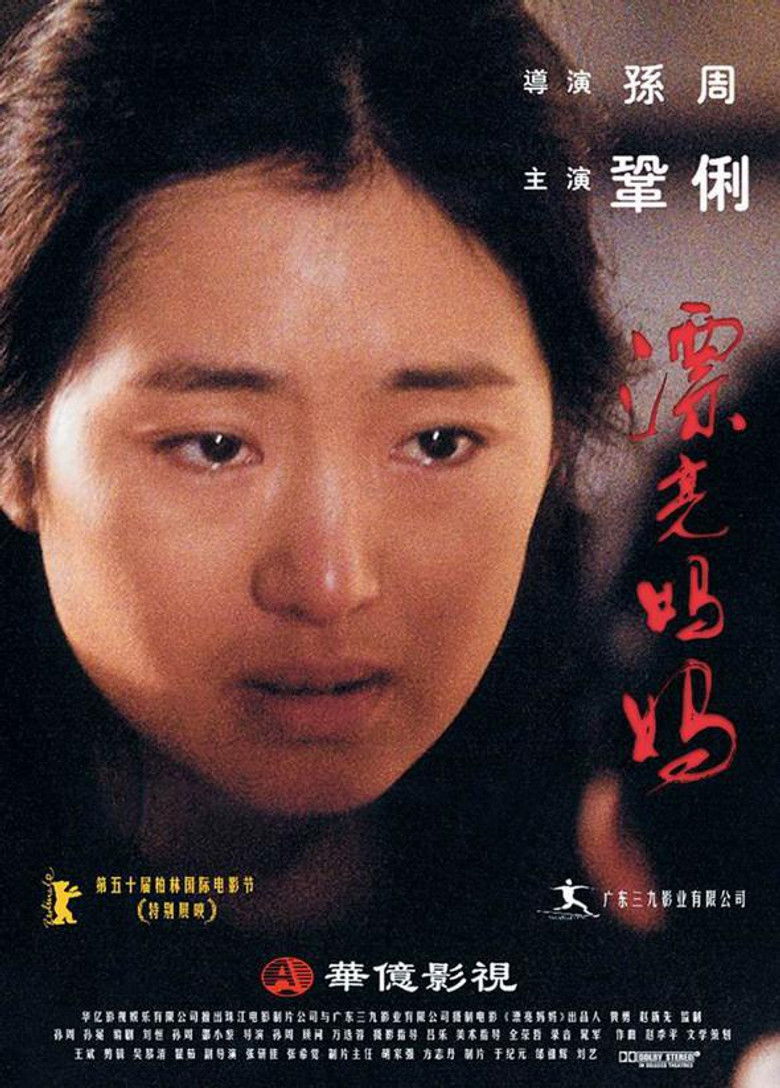
2000
Director
Sun Zhou
Runtime
90 minutes
Average Rating
No ratings yetSynopsis
Gong Li stars in this low-key drama about a single mother who will do anything to provide for her son. Sun Liying (Li) struggles to care for her hearing-impaired child Zheng Da (Gao Xin) after her taxi driver husband divorces her. After Zheng Da gets his hearing aid smashed in a fight with classmates, Sun Liying sets out to raise 5,000 yuan (a small fortune) to buy him a replacement. A friend helps her set up an unauthorized bookstall, which soon gets raided by the police. Later she splits her time delivering newspapers and cleaning house for a rich businessman. This film was screened at the 2000 Berlin Film Festival.
Overall Score
Good
Category Breakdown
LGBTQ+ Representation
The film centers on a heteronormative family unit following a divorce. It offers no explicit depiction of LGBTQ+ identities or non-cisnormative gender expressions.
Gender Representation
Sun Liying disrupts traditional hierarchies by acting as the sole provider and protector. Her agency drives the plot, challenging tropes of the helpless domestic woman.
Racial & Ethnic Diversity
The cast is ethnically homogeneous, reflecting a specific socioeconomic landscape. It avoids idealized depictions to focus on the granular realities of the Chinese working class.
Religious & Cultural Diversity
The narrative critiques systemic structures through the lens of economic scarcity. It prioritizes gritty, secular realism over moralistic or religious messaging.
Disability Representation
Zheng Da’s hearing impairment is integrated into the central conflict rather than used as mere pity. The struggle for a hearing aid drives the protagonist's actions.
Strengths
Areas for Improvement
AI Analysis
Breaking the Silence is a poignant study of social realism that prioritizes the agency of marginalized individuals. By centering on a single mother's struggle against economic and systemic instability, the film disrupts conventional expectations of domestic stability and institutional benevolence. The film excels in its portrayal of disability and gender. It treats hearing impairment as a lived reality that necessitates action, and it elevates the female protagonist from a domestic figure to a resilient economic actor. These elements provide a grounded, humanistic perspective on survival. However, the film remains limited by its narrow demographic focus. The lack of LGBTQ+ representation and the homogeneous ethnic cast mean the narrative stays within a specific, traditional social framework, even as it critiques the institutions surrounding it.
2025
2024

2017

2022

2008
2017
1999

2017

1993

2015

2020
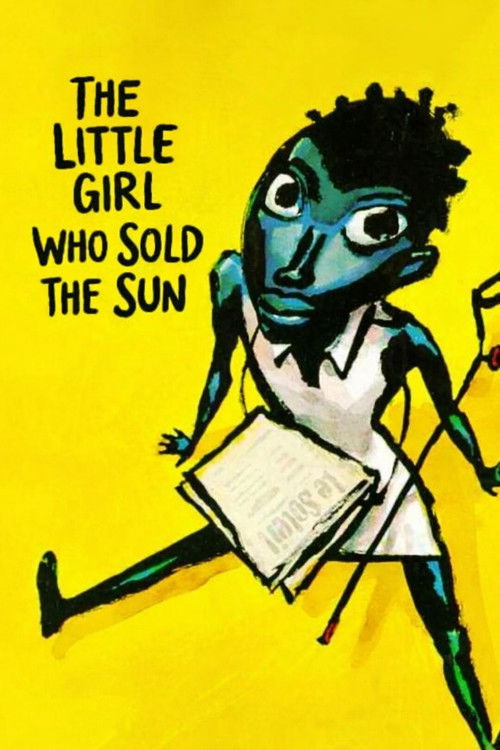
1999
No reviews yet. Be the first to share your thoughts on this movie!
Use the rating form above to leave a star rating and optional review.