
The One
2025
No user ratings available yet
Representation score: 8.2 out of 10
Representation Score
Good
2024
Director
Mipo O
Runtime
106 minutes
Average Rating
No ratings yetNew Showbiz Analysis
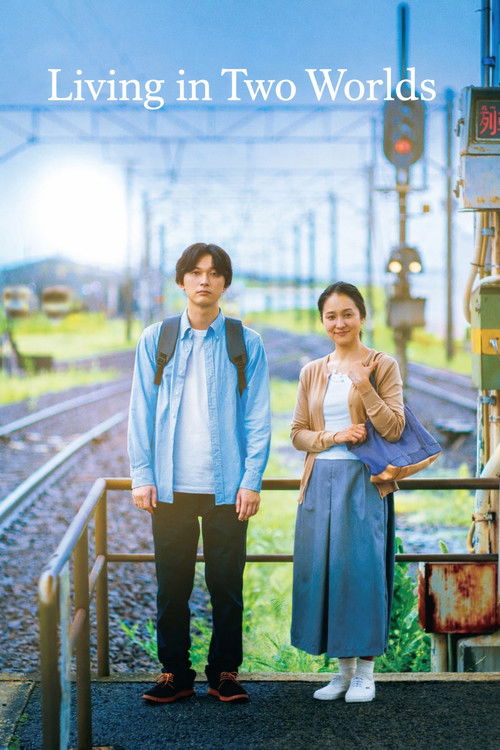
Living in Two Worlds stands out by presenting the Deaf experience through a realistic lens. Instead of framing disability as a challenge, the film treats it as a natural part of life that influences the protagonist's identity and interactions. The narrative uses sign language as a metaphor for connecting different social worlds. This creates a layered exploration of how individuals navigate between distinct communities and the vibrant sensory experiences of Tokyo. While the film offers a deep dive into Japanese culture, it focuses narrowly on a specific cultural and linguistic context. It does not provide clear examples of LGBTQ+ characters or broader racial diversity.
Category Breakdown
The film doesn't explicitly address LGBTQ+ identities or relationships. However, it explores non-traditional social structures without focusing on specific LGBTQ+ character arcs.
Dai's journey emphasizes her personal independence and control over her life. The supportive family environment highlights a stable home setting.
The film immerses viewers in a specific Japanese cultural context, emphasizing the internal diversity within Japanese society.
The story contrasts small-town traditions with the modernity of Tokyo, highlighting the perspective of the Deaf community and challenging hearing-centric norms.
The film excels by portraying deafness as a core part of communication rather than a limitation. Characters with disabilities play significant roles in driving the story.
Present on Screen
Limited or Absent
Official Synopsis
Dai grows up in a small town, interpreting for his loving deaf parents, until he moves to Tokyo in search of his own independent life.
2025
2002
1993
2014
2022
2020

2013
2013
No reviews yet. Be the first to share your thoughts on this movie!
Use the rating form above to leave a star rating and optional review.