Hillbilly Blitzkrieg
1942
No user ratings available yet
Representation score: 1.9 out of 10
Representation Score
Minimal
1942
NRDirector
Leslie Goodwins
Runtime
75 minutes
Average Rating
No ratings yetNew Showbiz Analysis
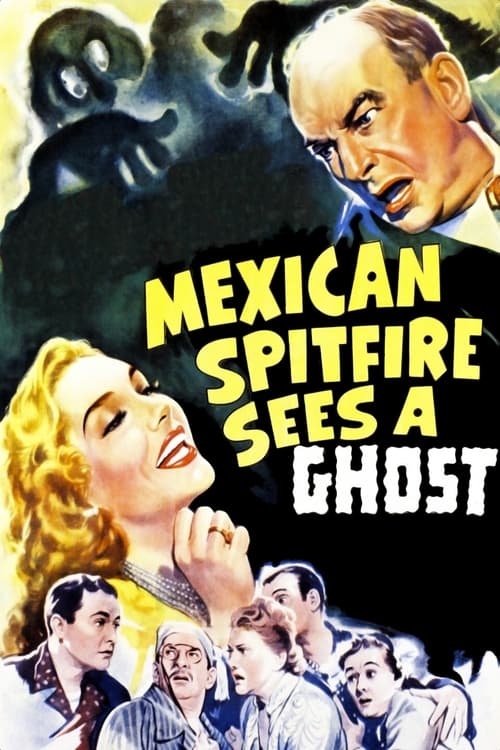
Mexican Spitfire Sees a Ghost is a product of its era, prioritizing slapstick and situational farce over nuanced social exploration. While it breaks the mold of homogeneous Anglo-Saxon casting by featuring a prominent Mexican actress, it does so through a lens of caricature. The film provides a central female protagonist with high ability to act, yet this energy is channeled through the 'Spitfire' cliché. This keeps the gender dynamics rooted in traditional comedic friction rather than subverting patriarchal norms. Ultimately, the film functions as a commercial comedy that upholds the status quo. It offers visibility for ethnic leads but fails to deconstruct the stereotypes or systemic hierarchies of the time.
Category Breakdown
The film does not include any identifiable LGBTQ+ characters. It follows the domestic and romantic storylines typical of 1940s cinema.
Carmelita drives the plot through energetic and volatile behavior, playing a significant role in the story. However, her characterization relies on exaggerated femininity and traditional comedic conflicts between spouses.
The casting of Lupe Vélez provides notable ethnic visibility for the era. However, her performance often leans into loud, exaggerated mannerisms that risk reinforcing ethnic caricatures.
The narrative operates within established 1940s patriotic parameters, focusing on protecting national interests. It reinforces traditional social structures without offering secularist or anti-Western critiques.
There is no significant presence of characters with visible or invisible disabilities in the narrative.
Present on Screen
Limited or Absent
Official Synopsis
Carmelita and Uncle Matt find themselves in a haunted house, but the "ghosts" are actually enemy agents who are trying to frighten away visitors in order to develop a nitroglycerin bomb.
1942
1946
1943

1942

1940
1943
1941
1942
No reviews yet. Be the first to share your thoughts on this movie!
Use the rating form above to leave a star rating and optional review.