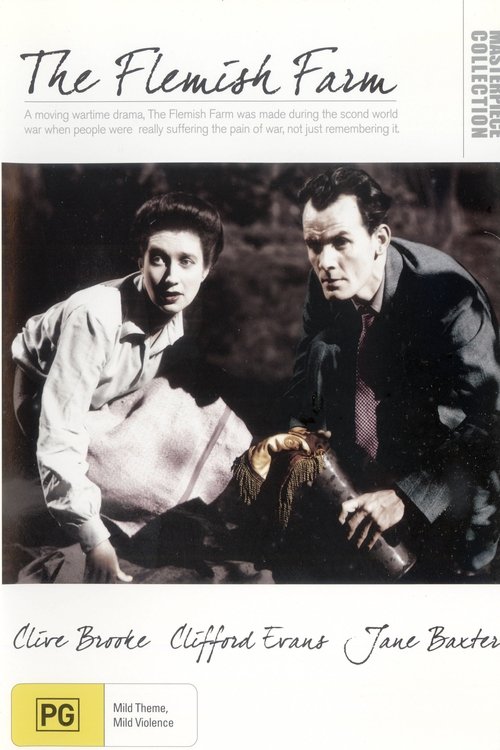
The Flemish Farm
1943
No user ratings available yet
Representation score: 1.1 out of 10
Representation Score
Minimal
1942
ApprovedDirector
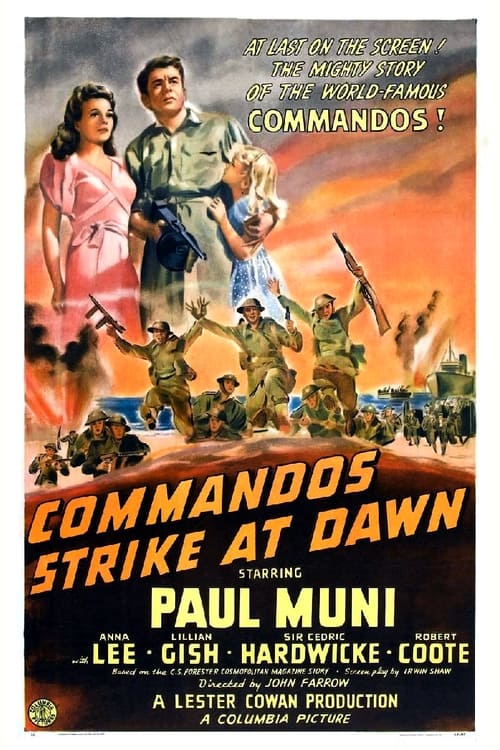
John Farrow
Runtime
98 minutes
Average Rating
No ratings yetNew Showbiz Analysis
Commandos Strike at Dawn is a wartime narrative designed to bolster Allied morale through traditionalist storytelling. It prioritizes national cohesion and the defense of established social orders over any form of progressive representation. The film adheres to the mid-century cinematic structures of its era, emphasizing masculine combat roles and a unified, largely Anglo-Saxon front. It functions as a reinforcement of the dominant cultural norms of the early 1940s. Because the story focuses on duty and collective sacrifice against an external aggressor, it lacks the framework for diverse character development.
Category Breakdown
The film operates within a strictly straight-centered framework. There are no same-sex relationships or non-cisgender identities present in the story.
Men play the central roles, particularly in military and combat scenarios. While a widow and her daughter appear, heroism is portrayed as a predominantly male domain.
The cast reflects a homogeneous Western demographic typical of 1942. There is no evidence of significant racial or ethnic diversity within the production.
The narrative reinforces traditional Western institutions and patriotism. It defends the domestic sphere and military authority rather than exploring diverse cultural frameworks.
No characters with visible or invisible disabilities are given central roles. The focus remains strictly on the physical capabilities required for commando operations.
Present on Screen
Limited or Absent
Official Synopsis
A gentle widower with a small daughter finds his peaceful small rural village suddenly invaded by Nazis and, enraged in short order by their atrocities, becomes the leader of an aggressive underground movement.
1943

1966
1943
1965

1948
1941
1945
2009
No reviews yet. Be the first to share your thoughts on this movie!
Use the rating form above to leave a star rating and optional review.