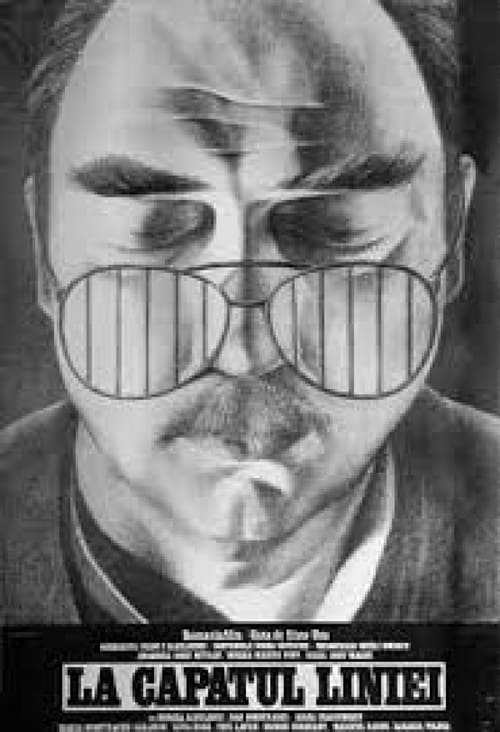
At the End of the Line
1982
No user ratings available yet
Representation score: 3.0 out of 10

Representation Score
Limited
1981
Director
Virgil Calotescu
Runtime
94 minutes
Average Rating
No ratings yetNew Showbiz Analysis
Ana and the Thief is a product of its time, deeply rooted in the ideological mandates of the late Eastern Bloc period. The narrative structure focuses on state-led reform, prioritizing institutional authority and singular social morality over diverse perspectives. Since the film centers on a male protagonist's reintegration into a communist system, it lacks multi-layered complexity. The storytelling appears to reinforce traditional social structures and state-sanctioned values rather than challenge them. Ultimately, the film's adherence to the systemic constraints of 1981 results in a narrow portrayal of identity, offering limited representation for LGBTQ+ communities, diverse ethnicities, or varied cultural viewpoints.
Category Breakdown
The film does not include any clear representations of LGBTQ+ identities or non-straight relationships. The story follows traditional social structures typical of Eastern European cinema from 1981.
The story revolves around a male character's return to society and his transformation. Despite the title suggesting a female presence, there is no indication of female empowerment or challenges to traditional gender roles.
The film reflects a localized geopolitical context with a likely homogeneous cast. There is no evidence of diverse racial or ethnic backgrounds within the cast.
The film emphasizes state-driven morality and institutional authority through communist reforms. It favors established political frameworks over subjective morality or secular perspectives.
There is no mention of characters with physical or neurodivergent disabilities. The film does not address disability representation.
Present on Screen
Limited or Absent
Official Synopsis
A young man is freed from prison. The communists are reforming him.
1982

1985
1979

1973

1964

1982

1966

1978
No reviews yet. Be the first to share your thoughts on this movie!
Use the rating form above to leave a star rating and optional review.