
The Gold of Naples
1954
No user ratings available yet
Diversity score: 4.9 out of 10
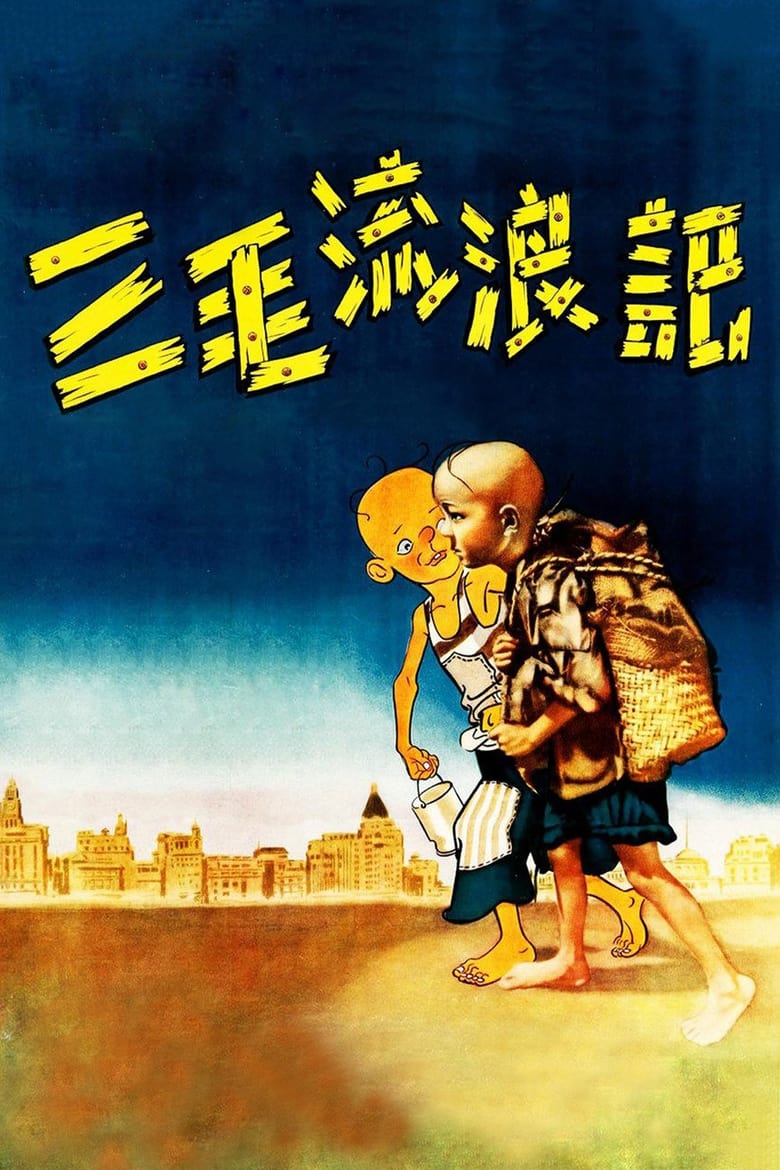
1949
Not RatedDirector
Zhao Ming, Gong Yan
Runtime
74 minutes
Average Rating
No ratings yetSynopsis
San mao (3 hairs) was a very popular Chinese comic strip first published in 1935-37, continued from 1948 into the 1990s, about a young orphan boy struggling with life in Shanghai.
Overall Score
Fair
Category Breakdown
LGBTQ+ Representation
The film lacks explicit evidence of LGBTQ+ characters or non-heteronormative identities. The narrative prioritizes class-based struggles and the survival of an orphaned child over identity-based storylines.
Gender Representation
The central protagonist is male, focusing the story on his personal journey. While female characters often highlight domestic consequences of instability in this genre, their specific roles remain undefined.
Racial & Ethnic Diversity
The film offers a localized, ethnically homogeneous perspective centered on the Chinese experience in Shanghai. It explores social identity through the lens of the marginalized urban underclass.
Religious & Cultural Diversity
The story provides a strong critique of systemic structures by centering on an orphan in Shanghai. It challenges traditional family sanctity and capitalist stability through a lens of social justice.
Disability Representation
The protagonist's struggle is primarily socio-economic rather than physical or neurological. There is no verified evidence of characters with specific disabilities portrayed with agency.
Strengths
Areas for Improvement
AI Analysis
The film serves as a powerful exploration of systemic inequality and the plight of the urban underclass in 1949 Shanghai. By centering on an orphaned boy, it deconstructs institutional reliability and traditional social hierarchies. While the work excels in cultural authenticity and social critique, it operates within the demographic constraints of its era. It lacks representation for LGBTQ+ identities and specific physical or neurodivergent disabilities. Ultimately, the film's strength lies in its focus on class struggle and the human cost of social upheaval, prioritizing the systemic victim over traditionalist ideals.
1954
2017
1959
2003
1989

1941
2025

1986
2025

2021

1992
1989
No reviews yet. Be the first to share your thoughts on this movie!
Use the rating form above to leave a star rating and optional review.