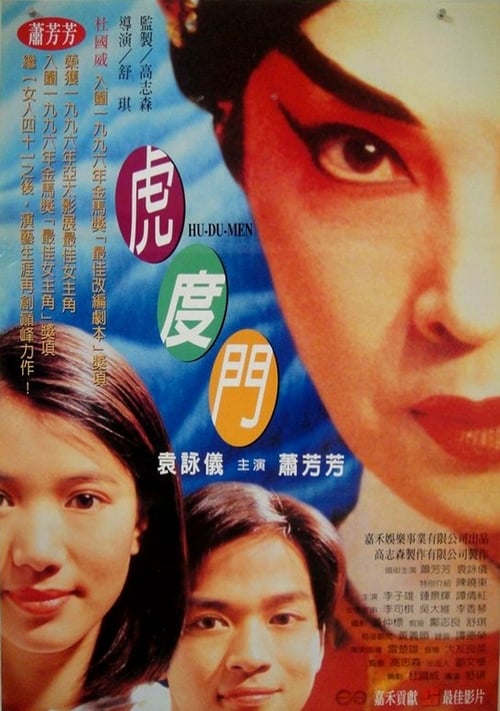
Hu-Du-Men
1996
No user ratings available yet
Diversity score: 6.8 out of 10
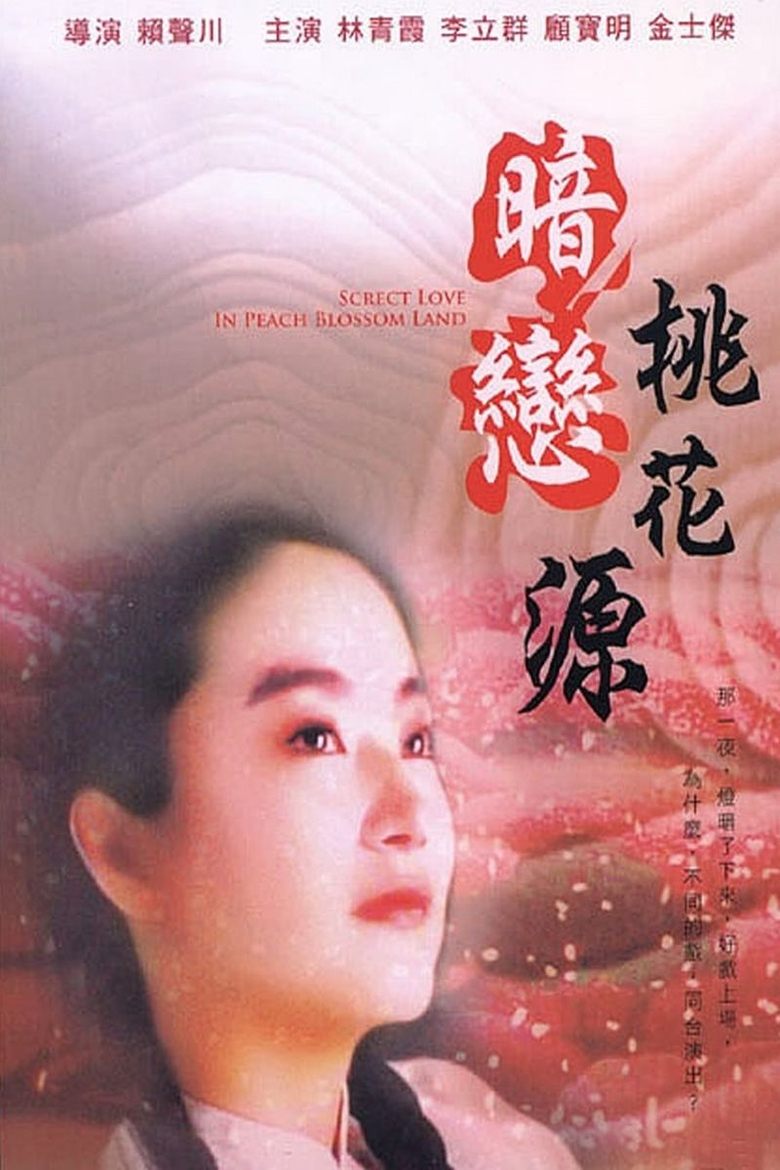
1992
Director
Stan Lai
Runtime
107 minutes
Average Rating
No ratings yetSynopsis
Two drama companies happened to share one auditorium for rehearsal. Friction was inevitable. One of them played 'Peach Blossom', a comedy in medieval costume. Another played 'Secret Love', a sad story with contemporary setting. Though unreconciled in all aspects, they find themselves telling the same story: the story of Chinese people forced to leave home.
Overall Score
Good
Category Breakdown
LGBTQ+ Representation
The film offers a framework for exploring non-traditional emotional bonds through its contemporary segment. While it allows for nuanced intimacy, it lacks explicit confirmation of specific non-cisnormative identities.
Gender Representation
The narrative disrupts conventional hierarchies by placing emotional weight on diverse characters. Female agency is often elevated through themes of resilience and the navigation of complex dramatic roles.
Racial & Ethnic Diversity
The work provides a profound exploration of the Chinese diaspora and ethnic identity. It prioritizes a non-Western perspective on the systemic upheaval of displacement and belonging.
Religious & Cultural Diversity
The film presents a complex view of culture, balancing historical myth against the realities of modern migration. It critiques the stability of national and familial institutions as fragile constructs.
Disability Representation
There is no discernible evidence regarding the portrayal of physical or neurodivergent disabilities in this work.
Strengths
Areas for Improvement
AI Analysis
Stan Lai’s work uses meta-theatricality to dismantle monolithic histories, focusing heavily on the complexities of ethnic displacement and cultural memory. The film excels at presenting a multifaceted view of identity through the lens of migration. The strength of the piece lies in its cultural depth and its ability to use different theatrical styles to explore the evolution of ethnic identity. It avoids simple celebrations of tradition, opting instead for a sophisticated critique of home and loss. However, the film lacks explicit representation for specific identities, such as LGBTQ+ or disability. While it offers emotional nuance, it does not provide overt or clearly defined portrayals in these categories.
1996
1996
1992
1991

2020
2017
1991
1989

2003
1986
2020

1993
No reviews yet. Be the first to share your thoughts on this movie!
Use the rating form above to leave a star rating and optional review.